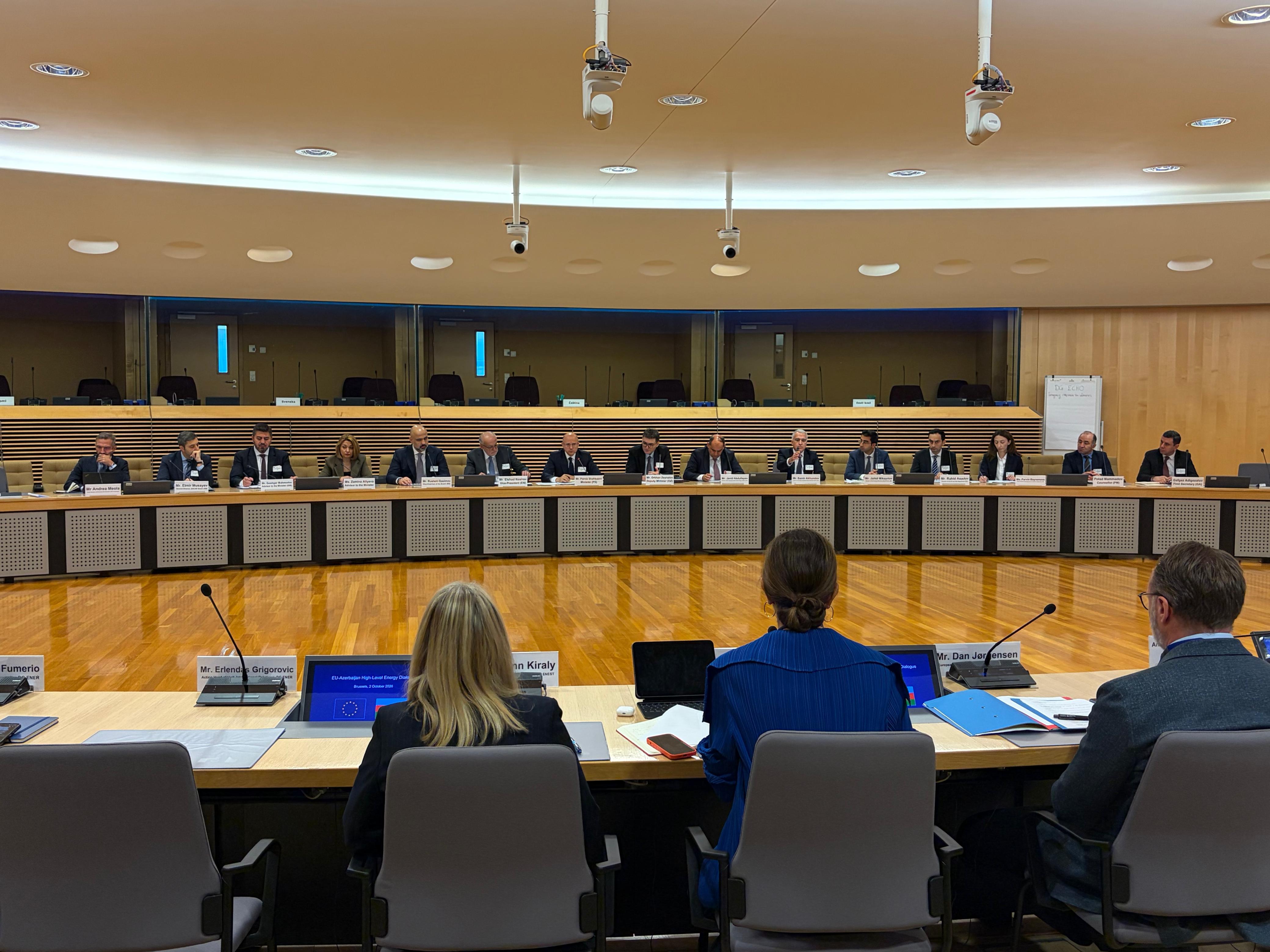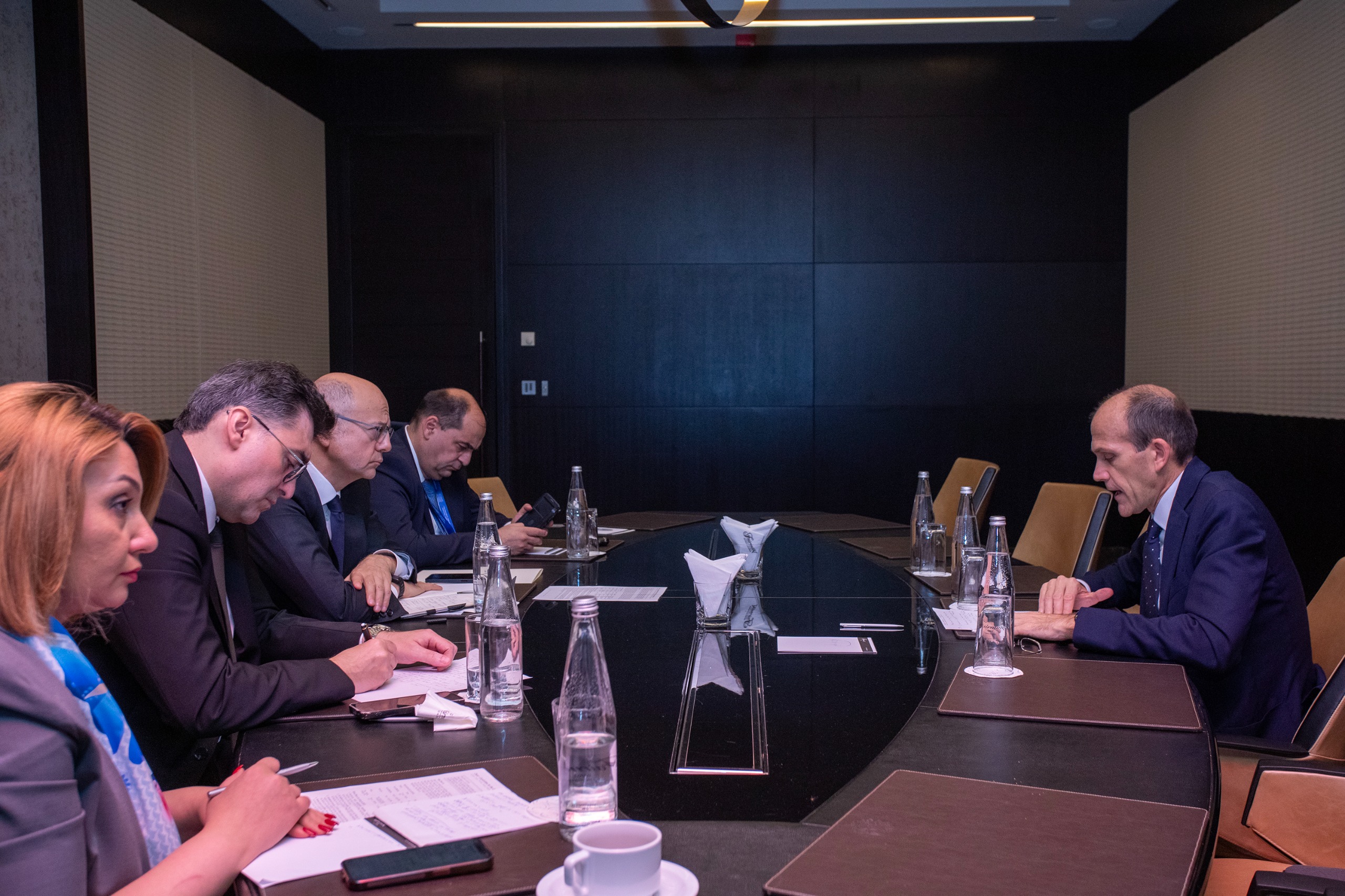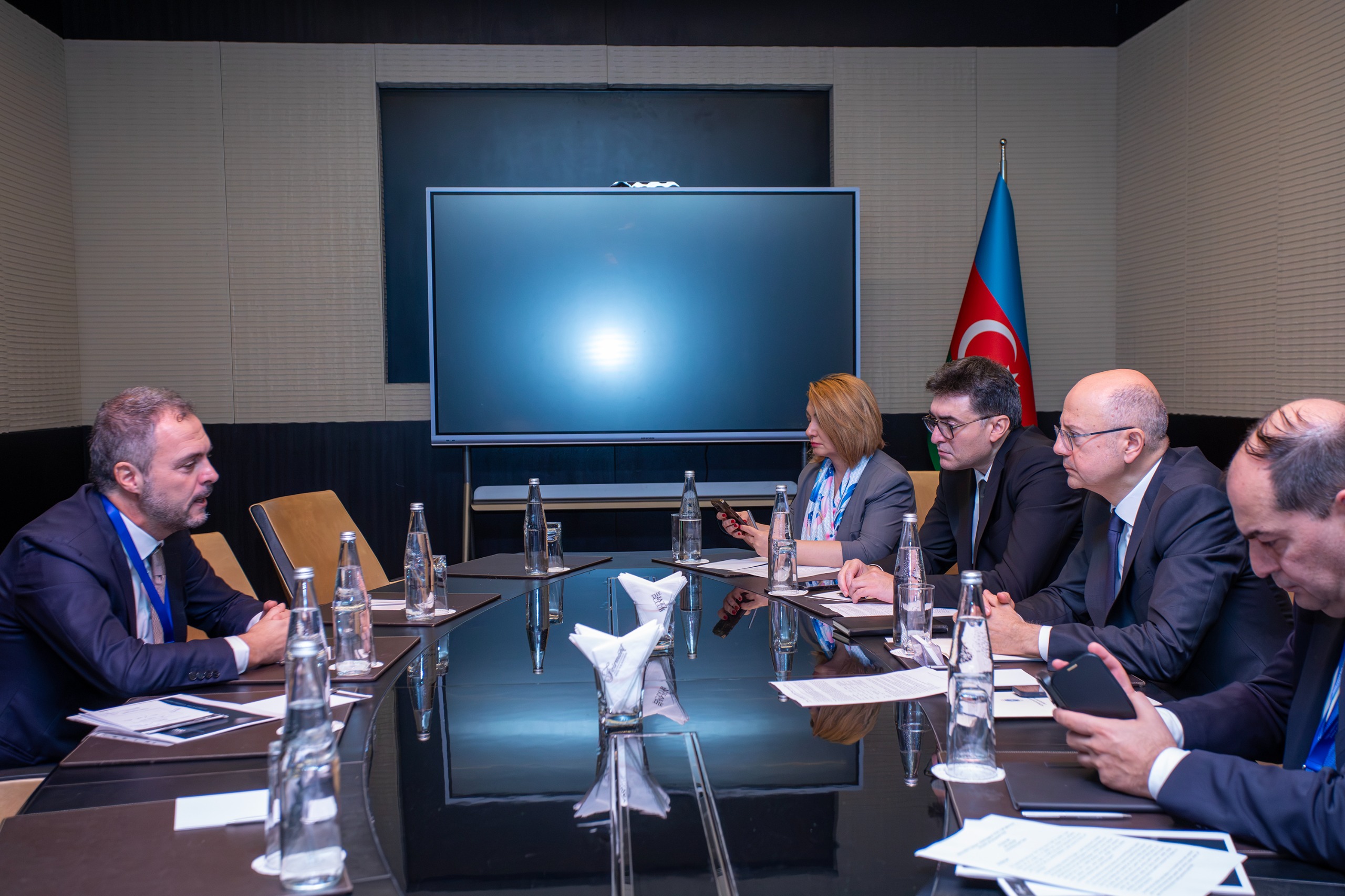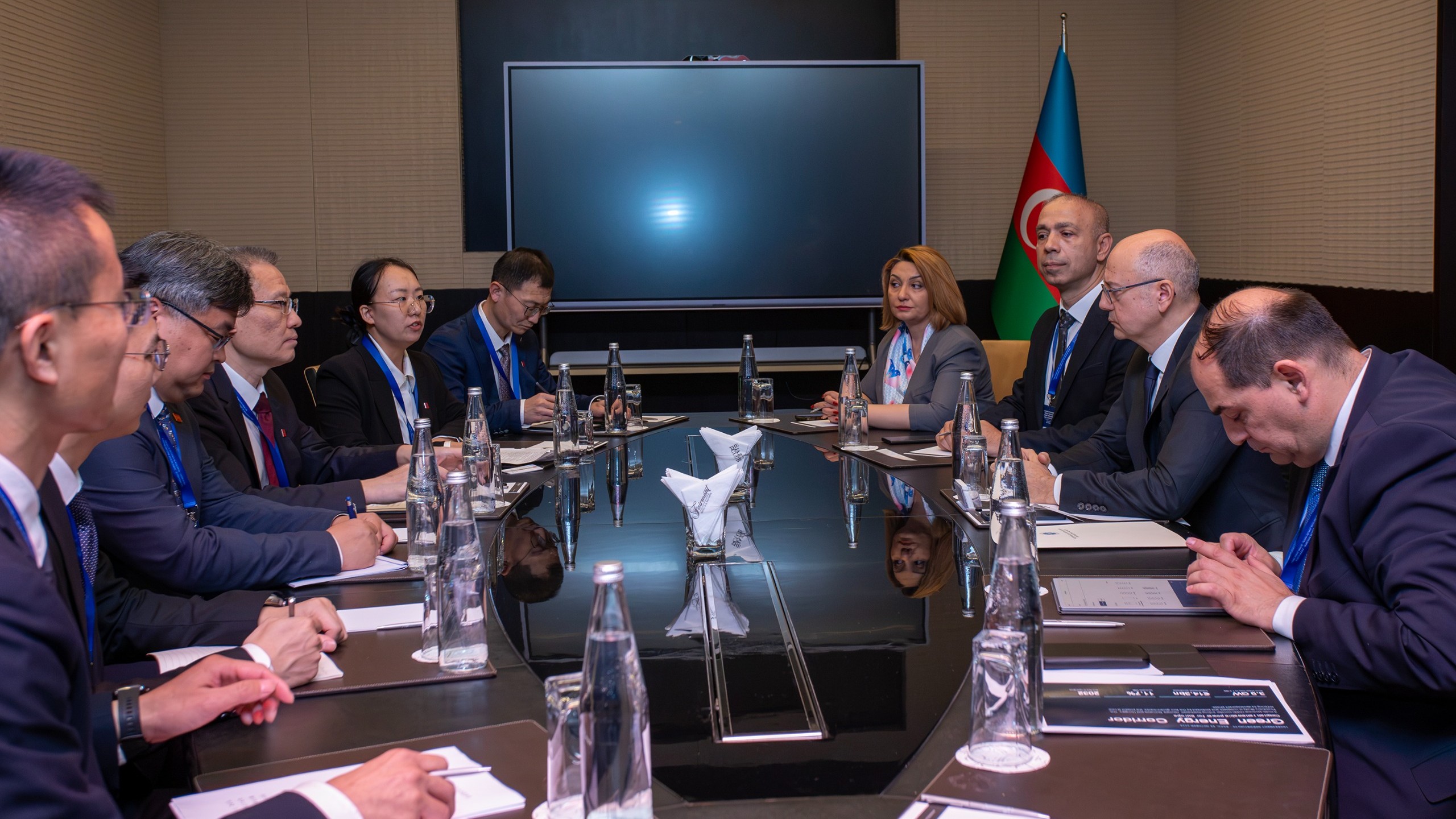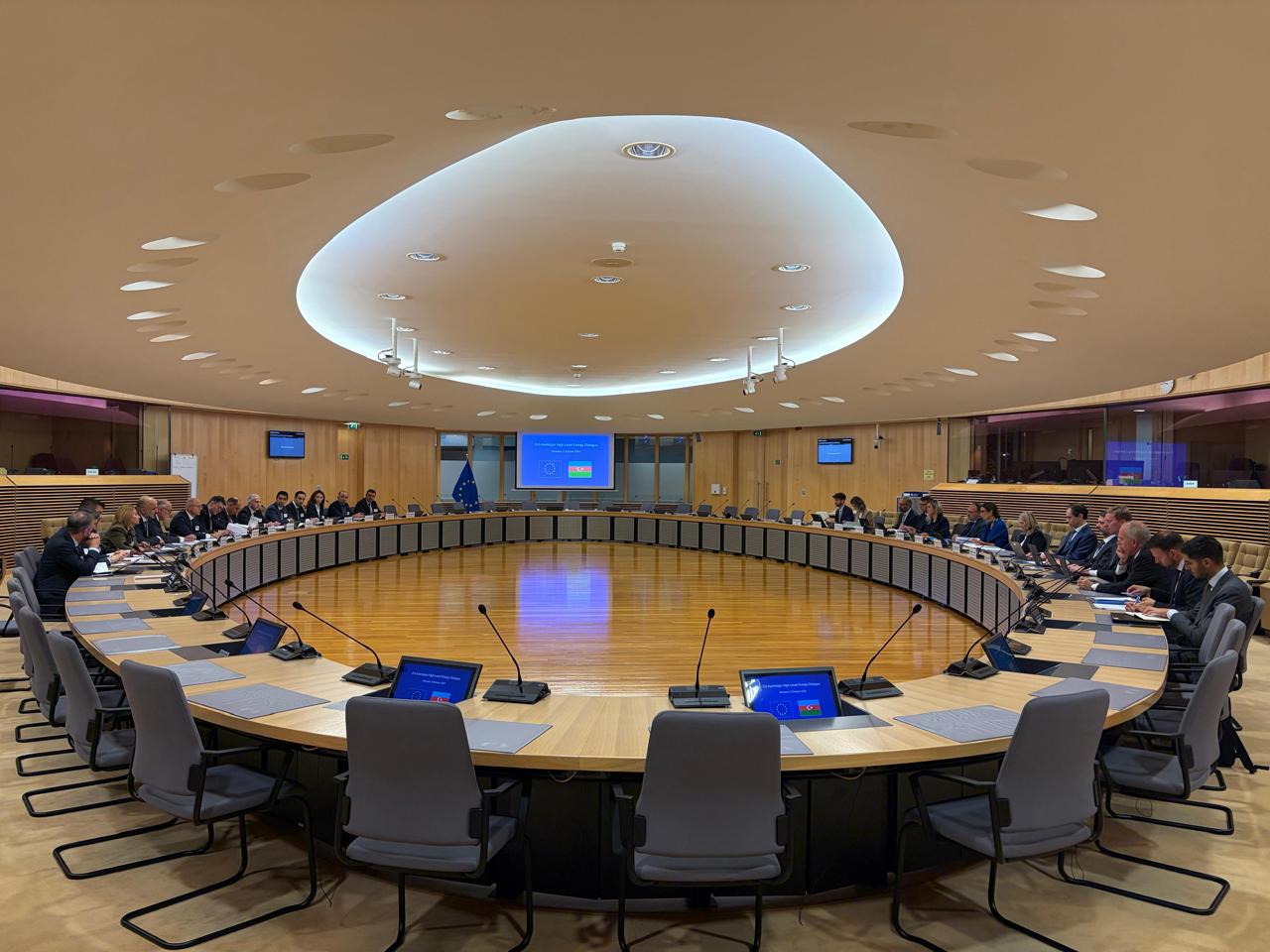
The 4th Meeting of the High-Level Energy Dialogue, established to advance the strategic energy partnership between Azerbaijan and the European Union (EU), was held in Brussels, Kingdom of Belgium, under the leadership of Minister of Energy Parviz Shahbazov and EU Commissioner for Energy and Housing Dan Jørgensen.
The meeting emphasized the strategic and mutually important nature of energy relations between Azerbaijan and the EU. Both sides expressed their interest in further developing cooperation aimed at strengthening security of energy supply while advancing the clean energy partnership. The importance of the visit of President of the European Commission Ursula von der Leyen to Baku in July this year in establishing a partnership on energy connectivity was highlighted.
The meeting discussed the cooperation opportunities in natural gas supply, energy security, the development of renewable energy sources, strengthening electricity grids, green energy corridors, energy efficiency and other areas. The current gas supply situation in the EU, long-term gas demand forecasts, gas production, demand and export prospects in Azerbaijan, as well as methane emissions reduction, were reviewed. It was noted that cooperation on the Southern Gas Corridor and natural gas remains one of the key pillars of the Azerbaijan-EU energy partnership. Approximately half of Azerbaijan’s gas exports are destined for European countries. Last year, 12.8 bcm of gas were supplied to Europe, while supplies exceeded 7 bcm in the first eight months of this year. With Azerbaijani gas supplied to Germany and Austria for the first time this year, the number of EU Member States receiving Azerbaijani gas has reached 10. Information was provided on projects aimed at increasing gas production, including the Shah Deniz Compression project, non-associated gas from the Azeri-Chirag-Gunashli (ACG) fields, and the full-field development of the Absheron gas field. It was highlighted that the initial phase of expanding the transmission capacity of the Trans Adriatic Pipeline (TAP) is under way and that there is potential for further expansion of the Southern Gas Corridor in the future. It was also noted that the majority of Azerbaijan’s crude oil exports, approximately 80%, are destined for the European market.
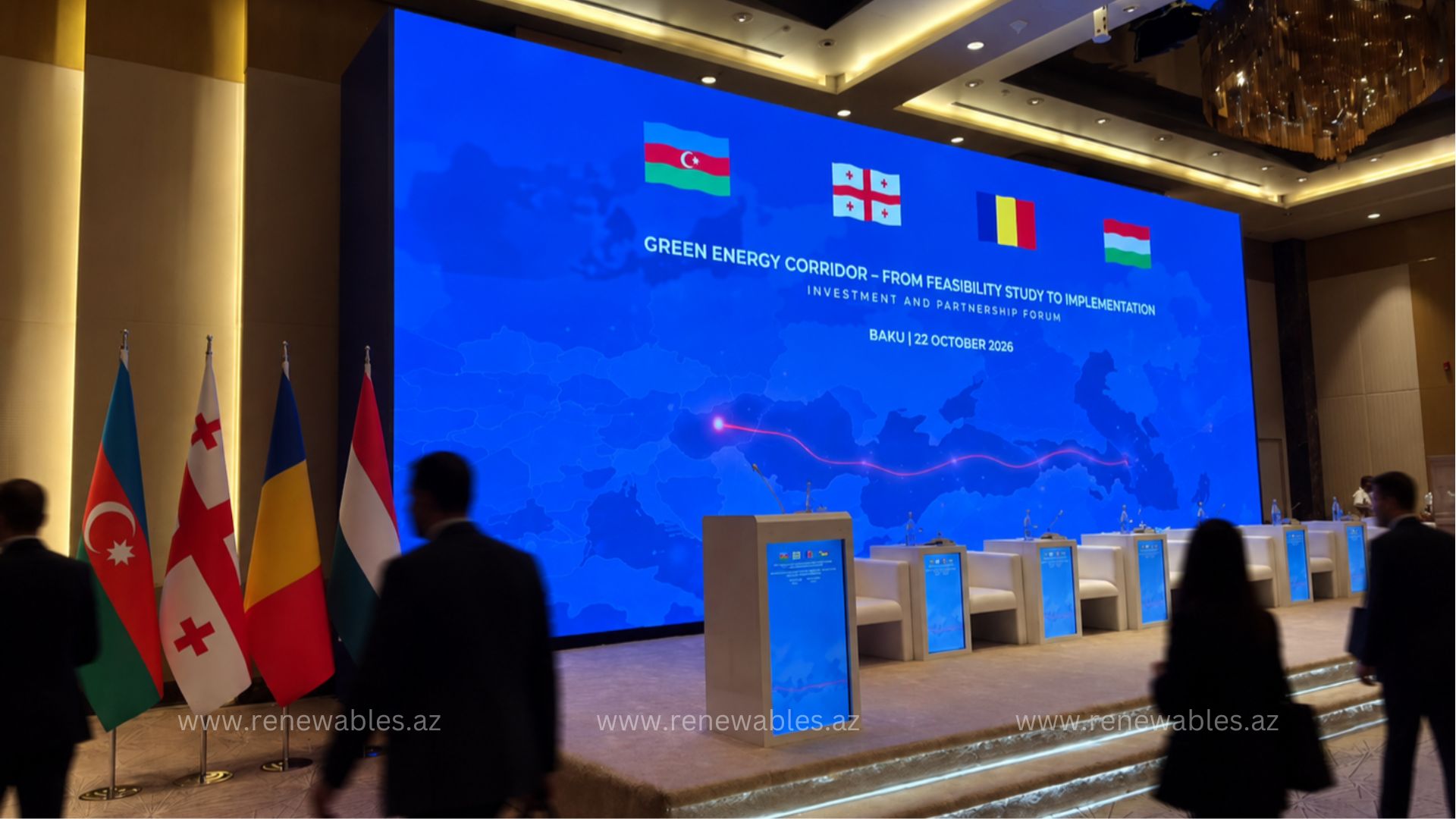
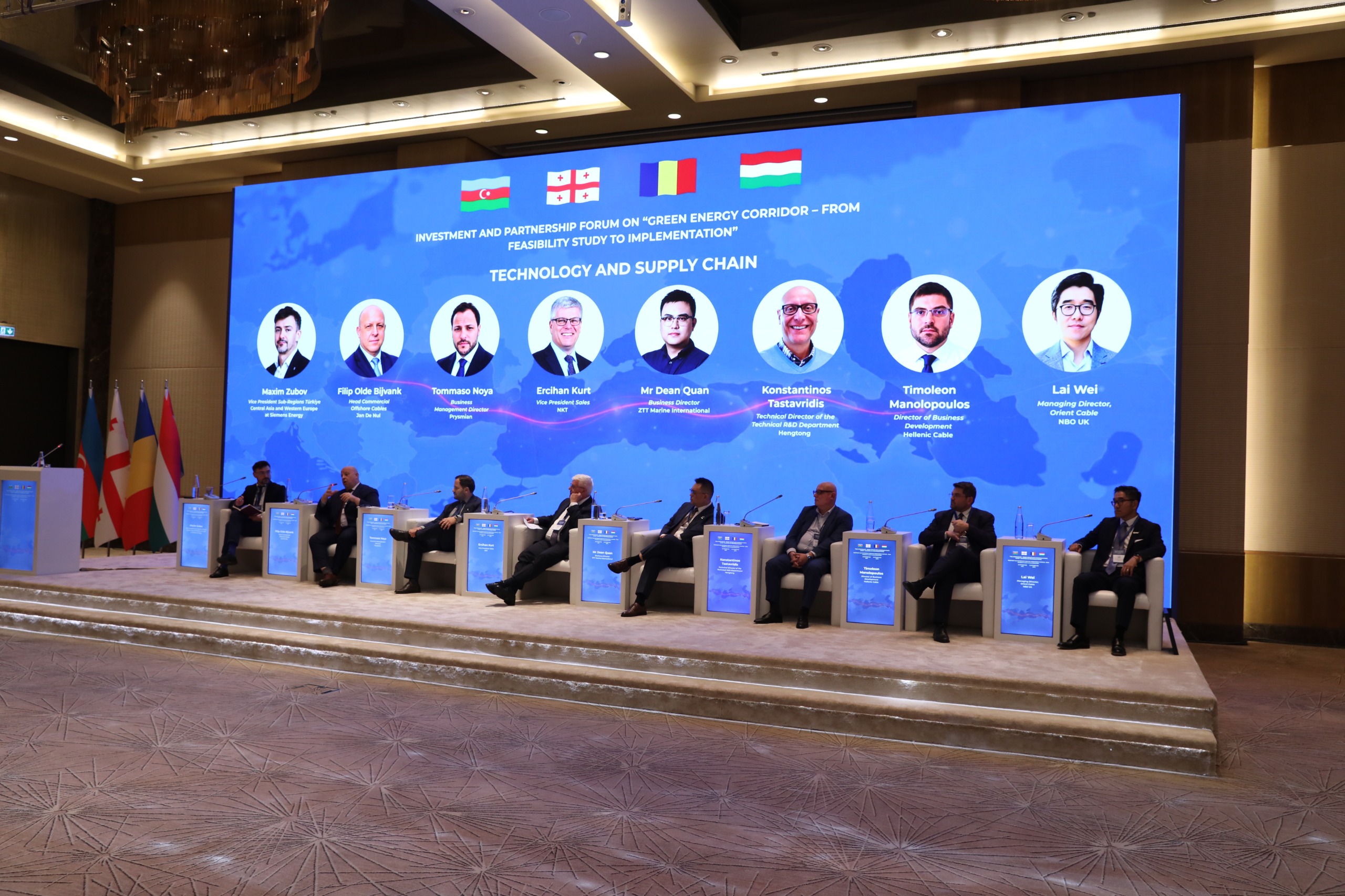
Updates were provided on the development of renewable energy and regional connectivity in Azerbaijan. It was emphasized that Azerbaijan possesses significant offshore wind energy potential in the Caspian Sea, as well as substantial onshore solar energy potential. The parties discussed opportunities to deliver green electricity generated by harnessing this potential to Europe through the relevant interconnections and the Green Energy Corridor. CESI also presented the results of the feasibility study for the Caspian-Black Sea-Europe Green Energy Corridor project. Cooperation on the Green Energy Corridor was considered in the context of the EU’s agenda on electricity grids, electrification and interregional interconnections, as well as related support measures. The importance of granting the project the status of a Project of Mutual Interest (PMI) was underscored.
During the discussions, the sides also exchanged views on measures being implemented in the areas of energy efficiency and methane emissions reduction.
It should be noted that the energy dialogue between Azerbaijan and the EU has been conducted since 2022.