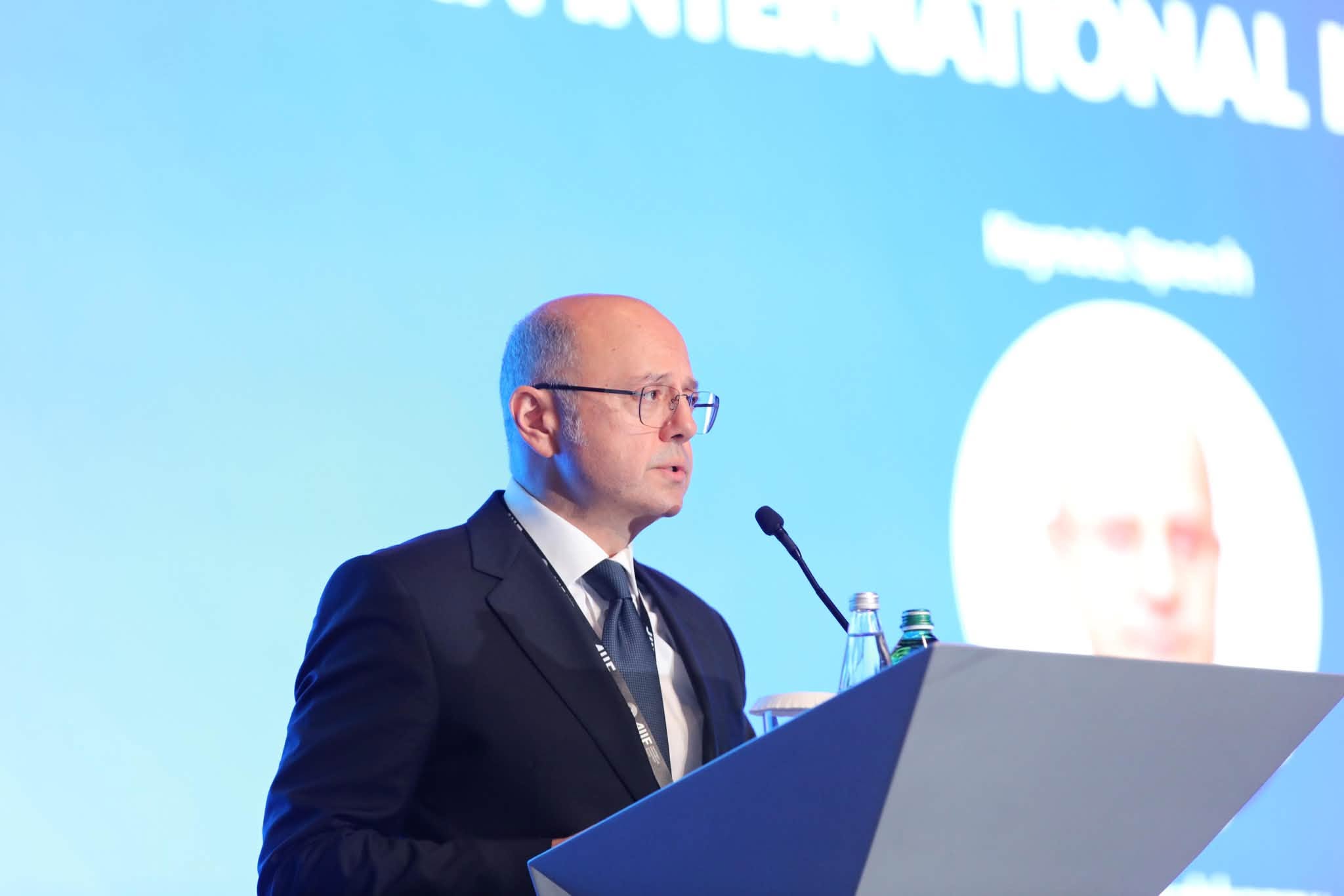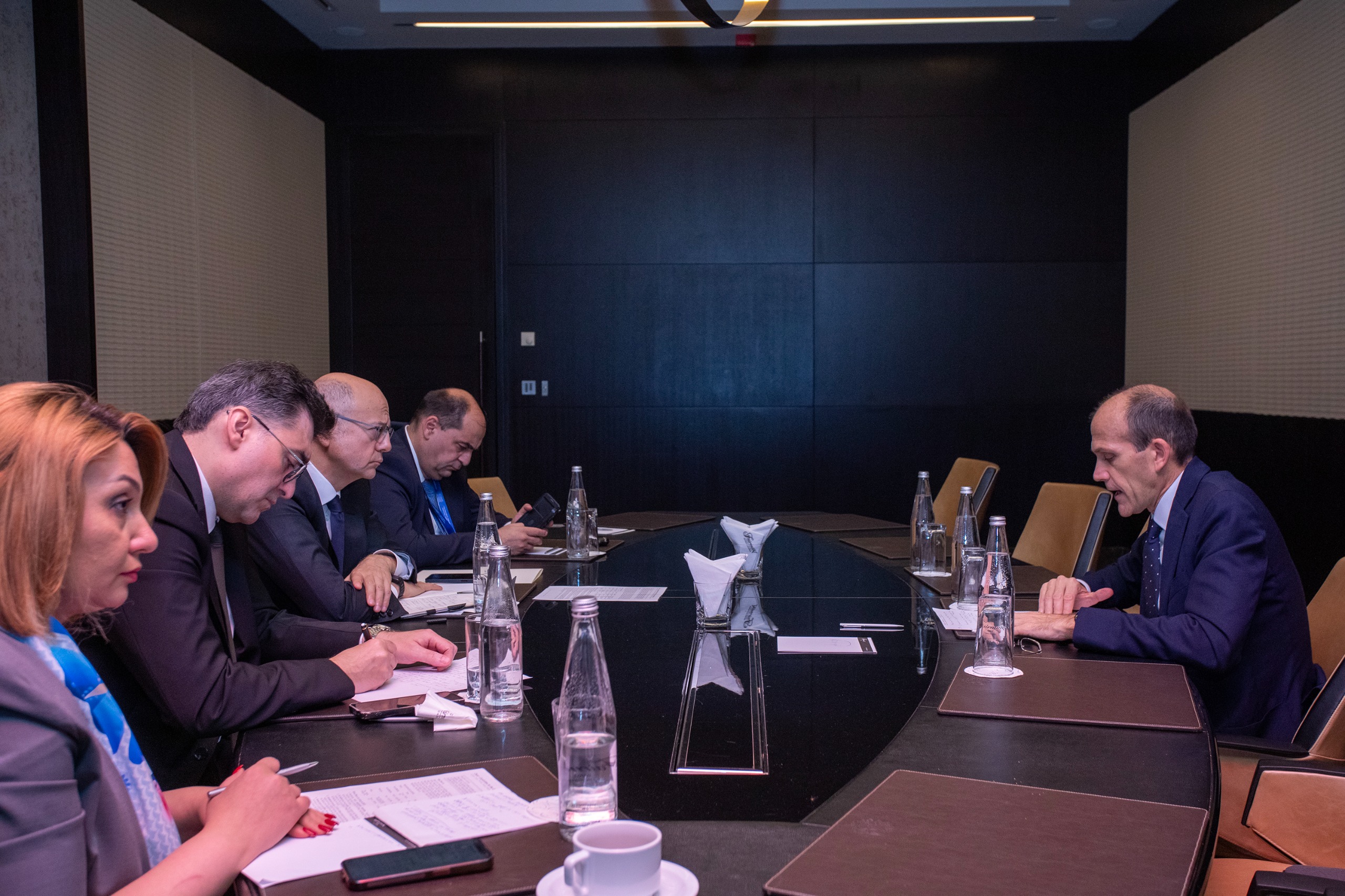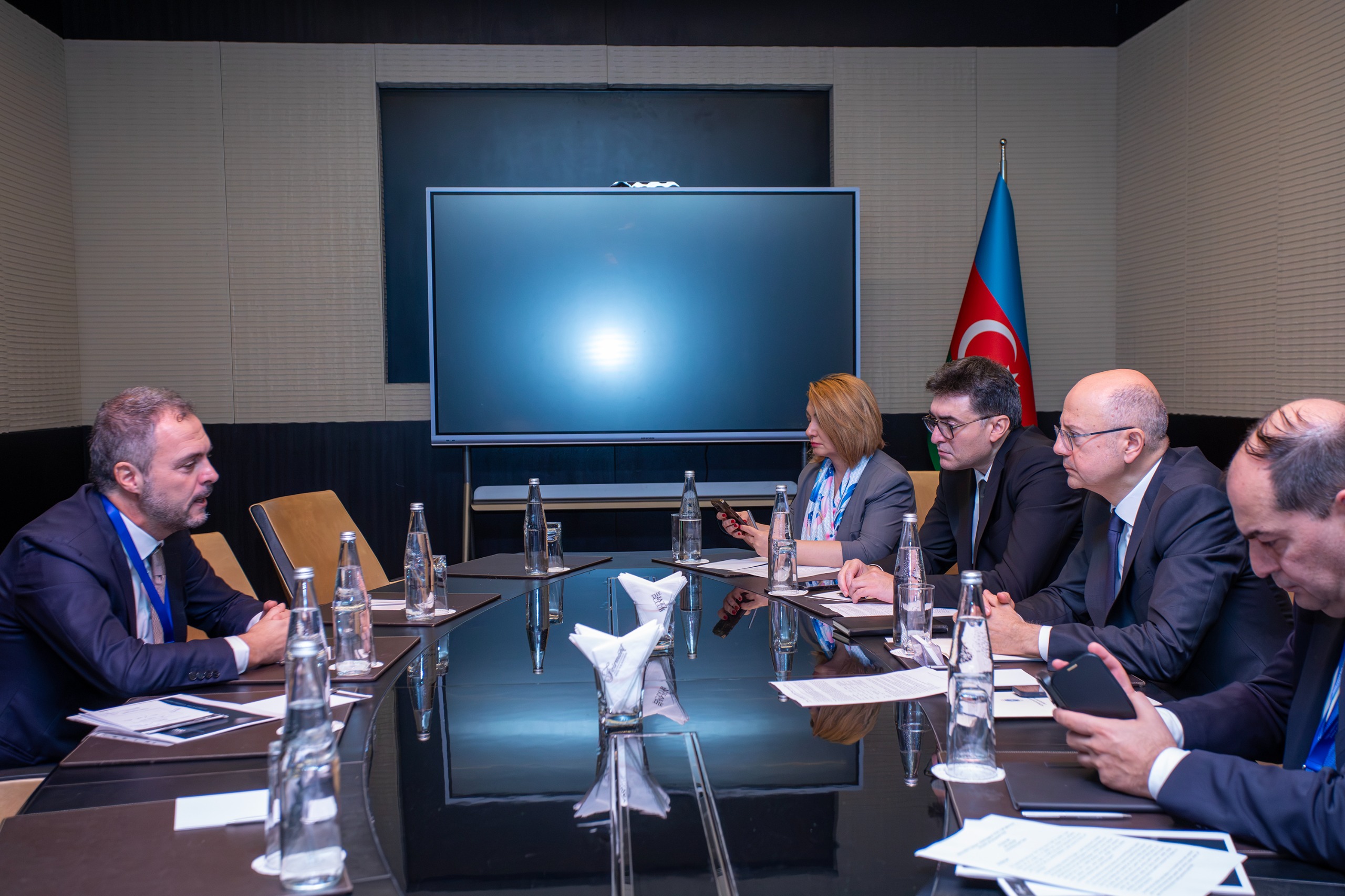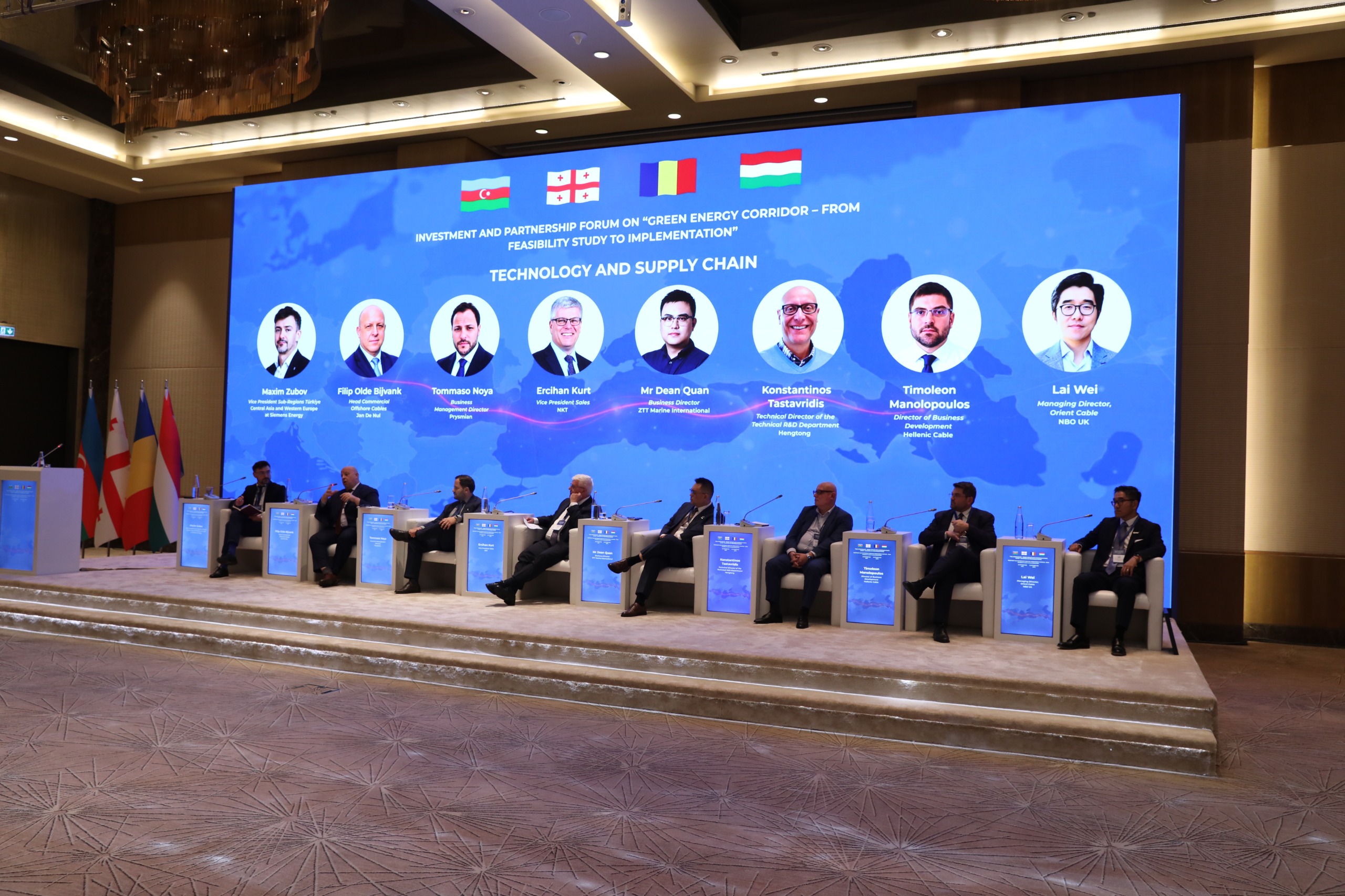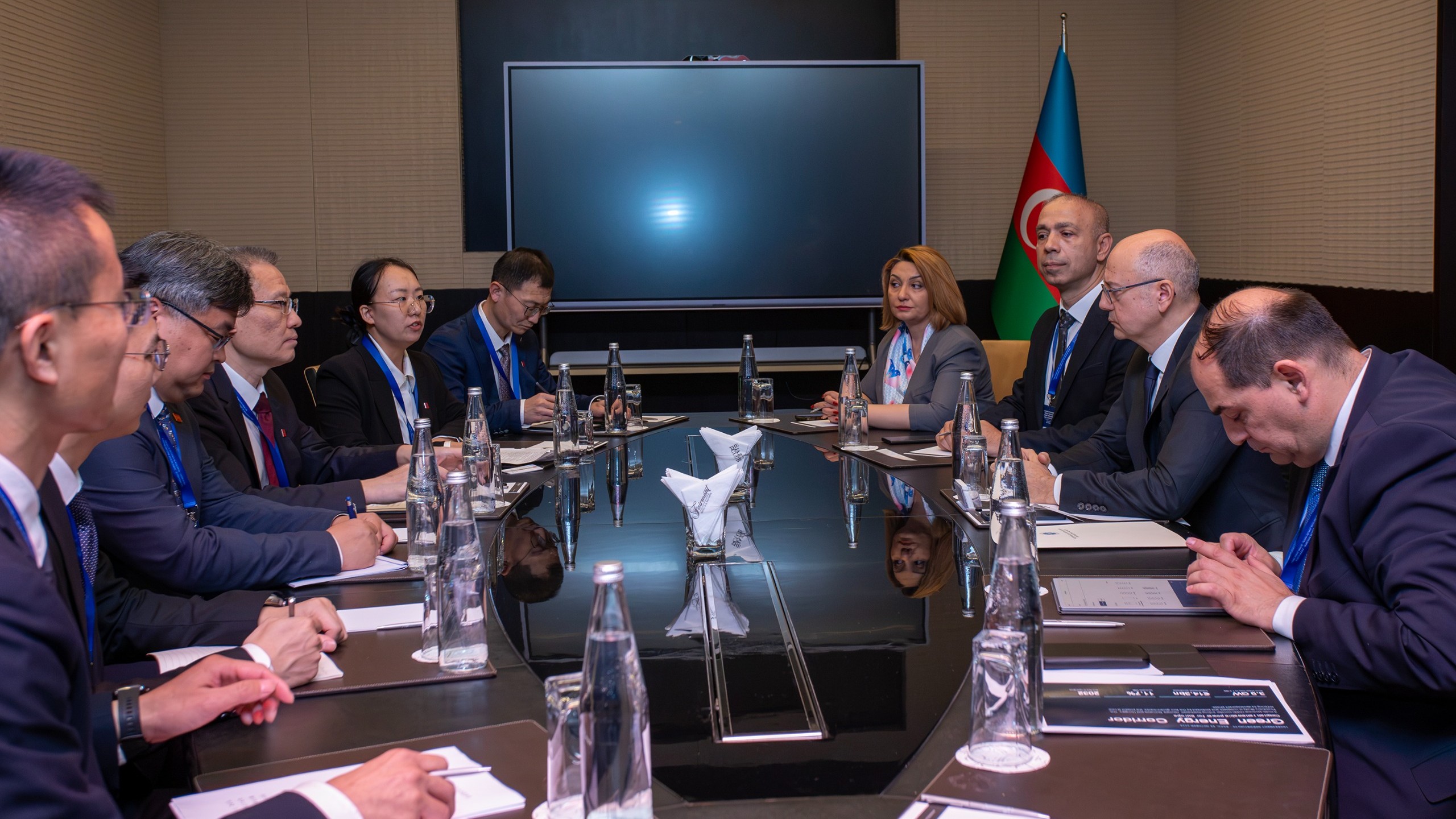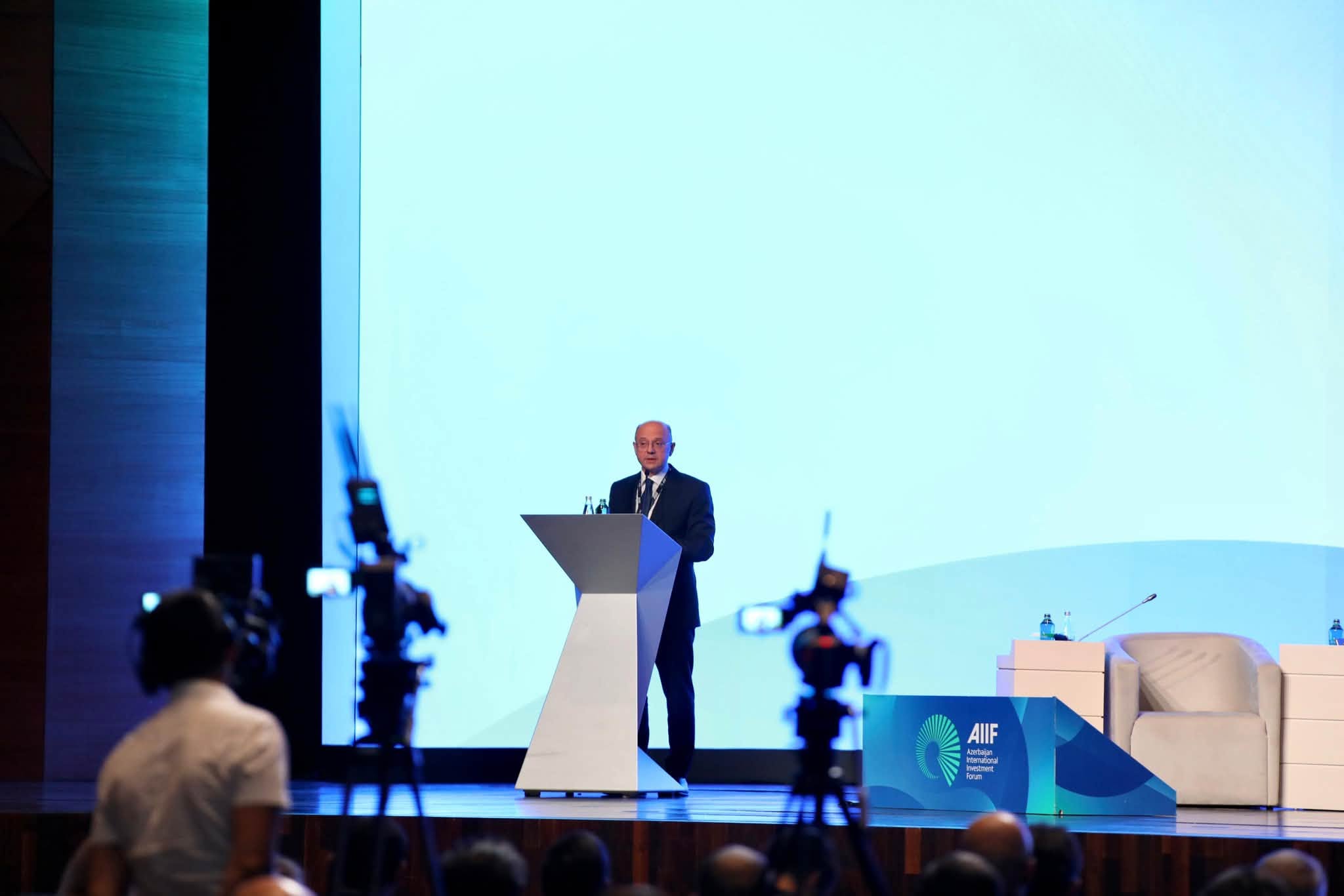
Energy Minister Parviz Shahbazov delivered a speech on Regional Energy Interconnections and the Green Transition: Challenges and Opportunities at the 2nd Azerbaijan International Investment Forum.
The Minister stated that the strategic importance of energy interconnections is growing amid contemporary geopolitical and geoeconomic realities, with power grids, energy storage systems and green energy corridors shaping the new energy map of the 21st century. He noted that rising energy demand amid digitalisation and electrification, the integration of renewable energy into power grids and the need to ensure energy security are making the development of cross-border electricity interconnections a strategic priority.
It was stated that President Ilham Aliyev’s strategic vision, which aligns energy security, green development and the peace agenda with regional connectivity, is strengthening Azerbaijan’s position as one of Eurasia’s key hubs for energy, transport and cooperation. One of the main priorities in this regard is the creation of diversified energy corridors that will connect the abundant green energy potential of Azerbaijan, including Nakhchivan and the Caspian Sea, as well as Central Asia, with the markets of the South Caucasus, Türkiye and Europe.
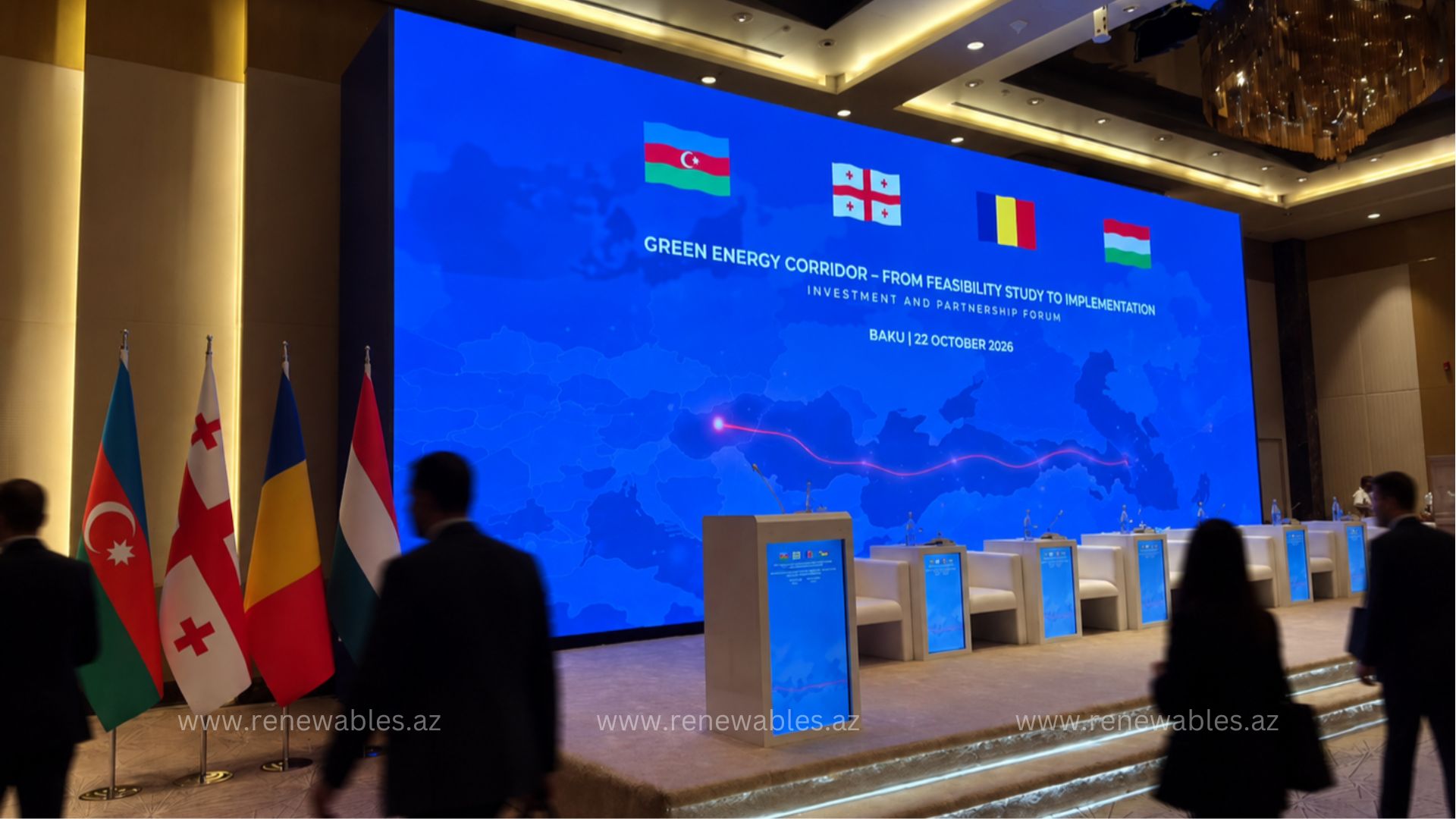
The Minister stated that the feasibility study for the Caspian Sea-Black Sea-Europe Green Energy Corridor, with a total transmission capacity of 4 GW, has confirmed the feasibility of implementing the project. It was noted that the final investment decision is targeted for 2029, with the corridor expected to be commissioned in phases from 2032 and to reach its full capacity by 2040. It was highlighted that the corridor connecting Azerbaijan with Hungary has been included as a single project in the draft Ten-Year Network Development Plan of the European Network of Transmission System Operators for Electricity (ENTSO-E), and that an application for the European Union’s Project of Mutual Interest (PMI) status will be submitted in the coming days. The importance of securing grants and concessional financing under the relevant European Union mechanisms for the implementation of the project was emphasised. It was noted that, by connecting not only energy systems but also economies and investment opportunities, the project will contribute to expanding interregional cooperation, diversifying Europe’s energy supply and advancing the clean energy transition.
The speech also provided information on the implementation status of other regional energy interconnection projects. It was stated that the feasibility study for the Central Asia-Azerbaijan Green Energy Corridor is expected to be completed in May 2027, while the corridor is planned to be commissioned from 2032. It was also noted that the Intergovernmental Agreement on the Azerbaijan-Georgia-Türkiye-Bulgaria Green Energy Corridor is planned to be signed within the COP31.
The strategic importance of developing the Azerbaijan-Türkiye electricity interconnection through Nakhchivan was particularly emphasised. The Minister stated that Azerbaijan’s main objective is to create an integrated and diversified network of green energy interconnections stretching from Central Asia to Europe by linking the individual energy corridors. Investors were invited to jointly benefit from the opportunities offered by the emerging green energy market and to actively participate in the implementation of these projects.