China’s largest supercapacitor-based hybrid energy storage system has been successfully connected to the grid in northwest China, marking a milestone for hybrid of supercapacitor and lithium-based energy storage system.
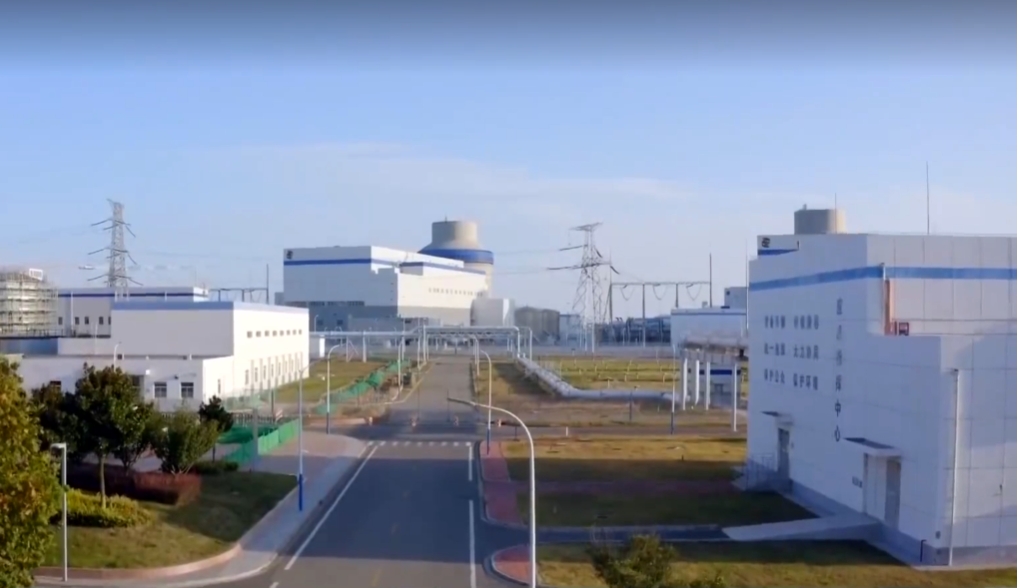
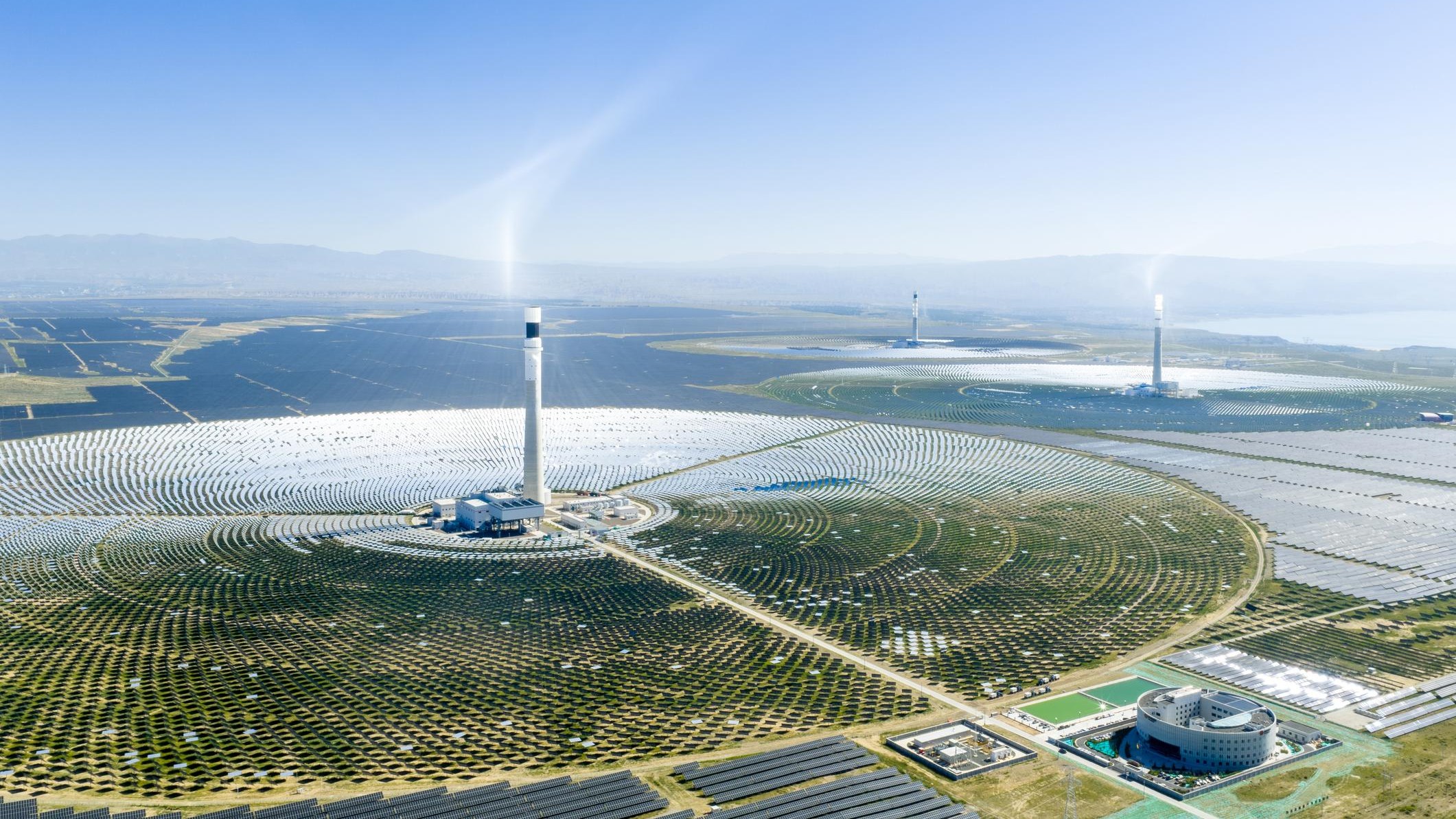
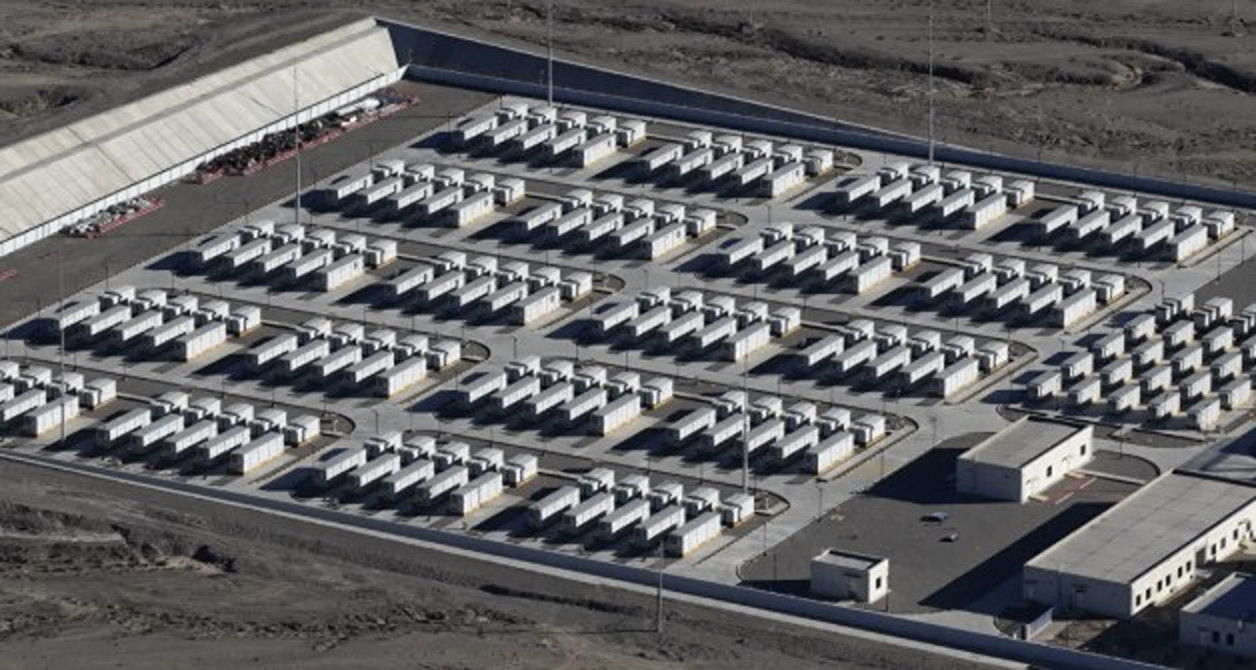
The Jiayuguan NingSheng 500 MW/1,000 MWh independent energy storage project, invested by China National Nuclear Corporation (CNNC), completed commissioning and achieved grid connection in the early hours of Dec. 30, 2025, according to official disclosures. The project is located in Jiayuguan, Gansu province, within the Jiaxi photovoltaic industrial park, a key renewable energy hub in China’s northwest.
The project adopts a hybrid configuration combining 475 MW/1,000 MWh of lithium iron phosphate (LFP) batteries with a 25 MW supercapacitor system capable of 60-second discharge. While battery storage provides long-duration energy shifting and peak shaving, the supercapacitor segment delivers millisecond-level response, enabling frequency regulation, inertia support, and rapid grid stabilization.
At 25 MW, the supercapacitor installation is currently the largest of its kind in China, and one of the largest globally integrated into a grid-scale project. The hybrid design allows the system to address both energy-type and power-type requirements, a combination increasingly seen as critical for high-renewables power systems.
The facility is connected to the grid via a 330 kV transmission line, feeding into the Jiayuguan Jiaxi solar power aggregation station. Construction began in September 2024 and reached full commission within roughly 15 months, despite challenging desert conditions.
Engineered for Gansu’s extreme climate, the storage system is designed to operate across a –40 C to 60 C temperature range, with liquid cooling, sand and dust protection, and reinforced enclosures tailored for Gobi Desert conditions.
Beyond conventional peak shaving, the project supports primary and secondary frequency regulation, grid-forming control, and participation in China’s evolving electricity and ancillary services markets. According to project documentation, the system can store 1 GWh per cycle, with a maximum hourly charge or discharge of 500 MW.
CNNC’s Ningxia subsidiary serves as project owner and operator, while China Nuclear Industry Huaxing Construction acted as EPC contractor. The LFP battery energy storage systems were supplied by Sermatec, while the supercapacitor systems were provided by Herong New Energy, alongside multiple PCS and EMS suppliers.
From an economic perspective, the project will generate revenue through ancillary services, peak–valley arbitrage, and power market trading. Official estimates suggest annual carbon dioxide reductions of nearly 200,000 tons, alongside significant reductions in coal consumption.
Industry observers note that the successful deployment of a supercapacitor–battery hybrid at this scale could provide a replicable model for other renewable-rich regions, where fast-response flexibility and long-duration storage are increasingly required to maintain grid stability.