Singapore-based deep tech company Flint has launched industrial production of its paper battery technology, marking the transition from laboratory development to manufactured battery cells ready for pilot projects and early commercial use.
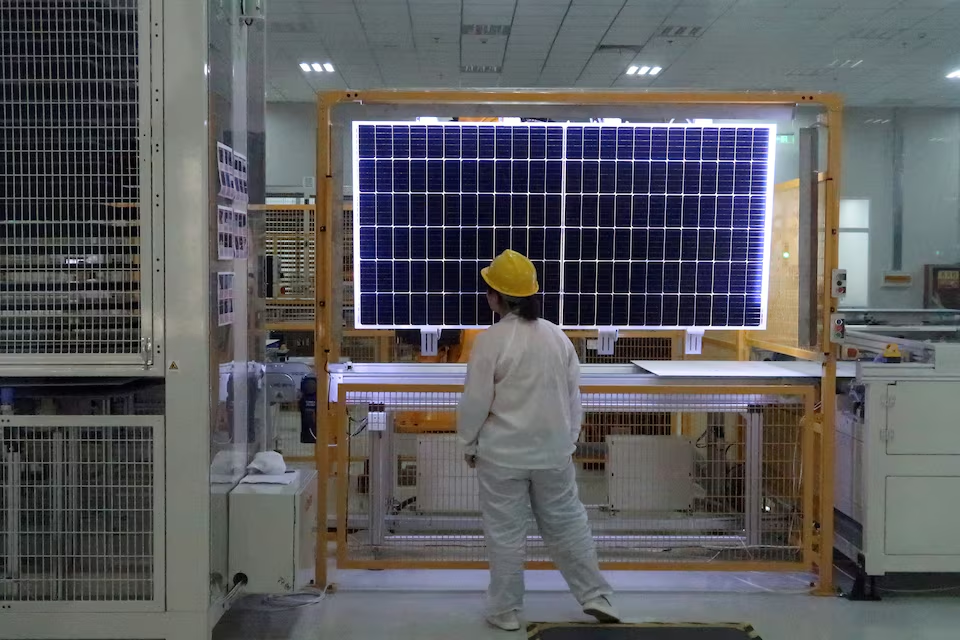
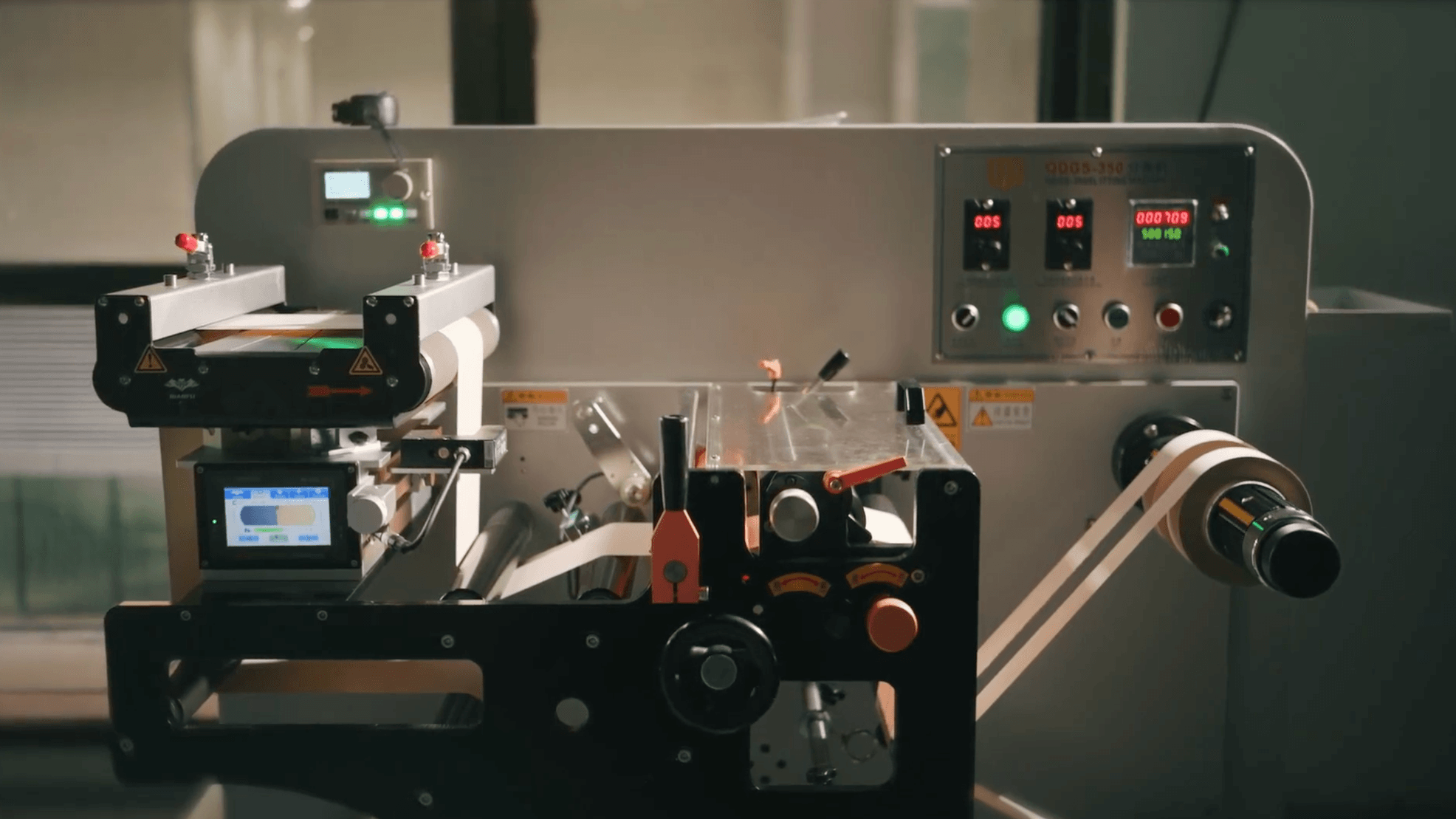
Production has begun at Flint’s facility in Singapore, where the company is now supplying rechargeable, non-toxic, non-flammable and non-explosive battery cells for customer pilots and initial integrations. Flint plans to introduce two battery products to the market, with full specifications and live demonstrations scheduled for CES 2026.
Flint’s manufacturing line is built around its proprietary cellulose-based battery architecture and relies on water-based production processes designed for safety and scalability. The approach reduces dependence on conventional battery materials such as lithium, nickel, cobalt and lead, while lowering the carbon footprint of manufacturing and improving end-of-life handling.
To support scaling, the company has expanded into a new facility of more than 8,000 square feet, which will serve as a base for pilot manufacturing, process optimization and further research and development of next-generation battery technologies.
The move into production follows a year of strong momentum for Flint. In early 2025, its paper battery technology received the Best of CES Sustainability Award at CES 2025, significantly increasing global visibility. Throughout the year, the company was selected for multiple innovation programs and launched pilot projects with major international technology firms, including Logitech, Amazon Devices and Dassault Systèmes.
In 2025, Flint also raised USD 2 million in a pre-Series A round, partly structured as debt, from a group of angel investors, including the company’s co-founders.
Looking ahead, Flint plans to officially unveil its first two commercial paper battery products at CES 2026. The company is also preparing for further scale-up beyond 2026 and is in discussions with a major global contract manufacturer to expand production capacity in Europe and diversify its supply chain. In parallel, Flint continues research into a solid-state version of its cellulose-based battery, targeting higher energy density applications traditionally served by lead-acid and other legacy battery technologies.