President Donald Trump has said that energy is one of the key topics he’ll raise in an otherwise trade-focused trip to Beijing that started Wednesday — but the trip isn’t likely to address an uncomfortable truth: The Iran war may be among the best clean energy salesmen China’s had.
According to the Politico, indeed, the 10 weeks of global oil market convulsions caused by the U.S. war against Iran has swept into China’s arms countries looking to replace lost crude shipments with clean energy tech.
If the Iran war’s impact on energy prices and supplies was on his mind ahead of the trip, Trump didn’t show it — on Tuesday, he told reporters that he did not expect the Iran war to be a major topic of his discussions with Xi because “we have Iran very much under control.”
The Trump administration’s war of choice against Iran has boosted China’s sales of electric vehicles, solar panels and batteries to countries facing volatile oil markets and fuel shortages, recent trade data shows. The two countries’ leaders will meet at a moment that offers starkly contrasting energy world views as both aim to expand their influence and economies amid the worst energy crisis in decades.
“The Iranian energy crisis is going to turbo charge the global energy transition away from oil and gas from the Middle East and a pivot to clean technologies — wind, solar, electric vehicles — that China is a very significant leader on,” said Li Shuo, director of the Asia Society Policy Institute’s of China Climate Hub.
Energy analysts agree that while the war is spurring costs increases and driving some countries to double down on fossil fuels, it is also reinforcing the strategic role renewables can play in energy security.
“In this context, China’s aggressive push in clean energy and technology exports is steadily eroding U.S. energy dominance, especially as the U.S. focuses more on hydrocarbons while China cements its leadership in the global clean energy supply chain,” Vegard Wiik Vollset, a renewables and power markets analyst at Rystad Energy, said in an email.
The Iran war has given the U.S. a short-term boost in the energy export cold war. Its companies are selling record volumes of oil and liquid fuel to countries experiencing shortages after Iran all but halted the flow of oil tankers leaving the Strait of Hormuz, the critical chokepoint for crude leaving the Middle East.
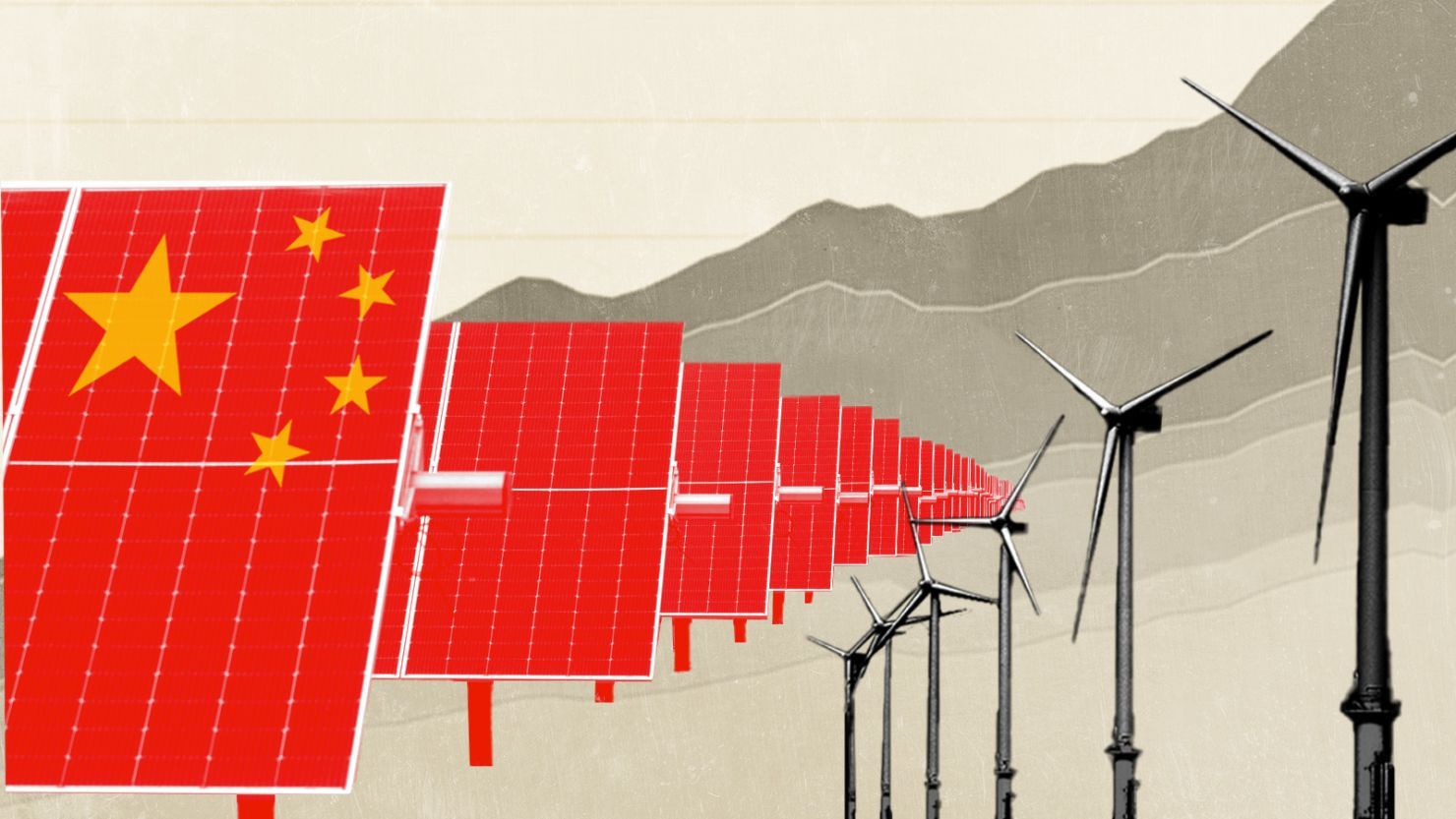
But China is also seeing its own surge in green energy exports as oil prices, currently at $103 a barrel, make record swings and fuel shortages appear in southeast Asia. Every cargo container of renewable energy technology or cheap EVs could ultimately help customers make an end run around America’s fossil fuel bounty and erode the U.S. hold on “energy dominance.”
The Chinese are “offering something very different from the United States,” said Jon B. Alterman, a senior State Department official in the George W. Bush administration who is now a chair in Global Security and Geostrategy at the Center for Strategic and International Studies.
In the Iran war, China has successfully harnessed a newfound power in mitigating energy challenges, Alterman said. It has shown that “fossil fuels are unstable” in comparison to clean energy and that “buying Chinese products that get you off the fossil fuel freight train…provide more stable electricity than any other source.”
Even before the U.S.-Israel attacks on Iran sent global oil prices skyrocketing, China’s exports of solar panels, EVs and batteries were soaring — in the 12 months prior to March, China exported $243 billion worth of clean tech goods, according to clean tech think tank Ember. The war has only supercharged that trend, experts said.
Last month, Chinese passenger EV and hybrid vehicles surged to 53 percent of all exports, up more than 100 percent in the last year and outpacing vehicles with internal combustion engines, according to the China Passenger Car Association. That trend has only accelerated. Those exports are largely headed to Asia and Europe — America’s stiff tariffs on Chinese autos has so far mostly kept them out of the U.S. market.
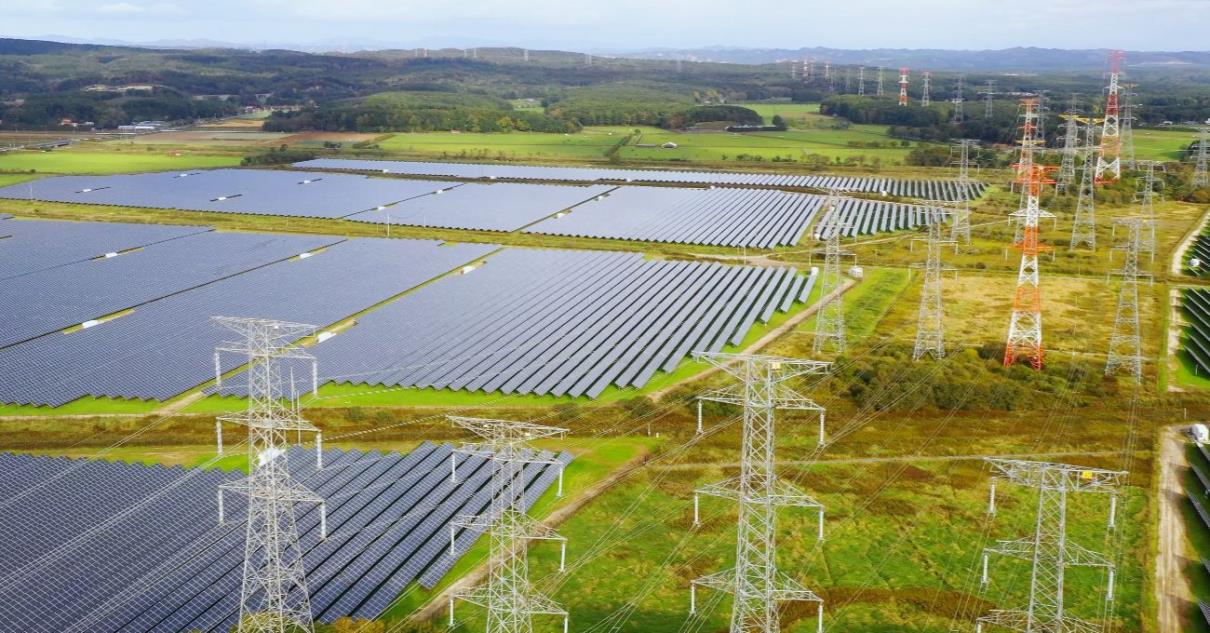
China’s solar exports in March doubled the previous month to reach 68 gigawatts “amid high energy prices due to the US-Israel war with Iran and an additional boost from changes to Chinese tax rebates,” according to Ember. Fifty countries set all-time records for Chinese solar imports in March, the group’s report said. Battery exports were also up 44 percent in March.
Orders for Chinese-manufactured wind turbines have also seen a surge in recent years, growing from 6.9 GW in 2023 to 14.3 GW last year, according to research firm BloombergNEF. In the first quarter of 2026, the export of wind turbines and parts is up 45 percent, Chinese state media reported.