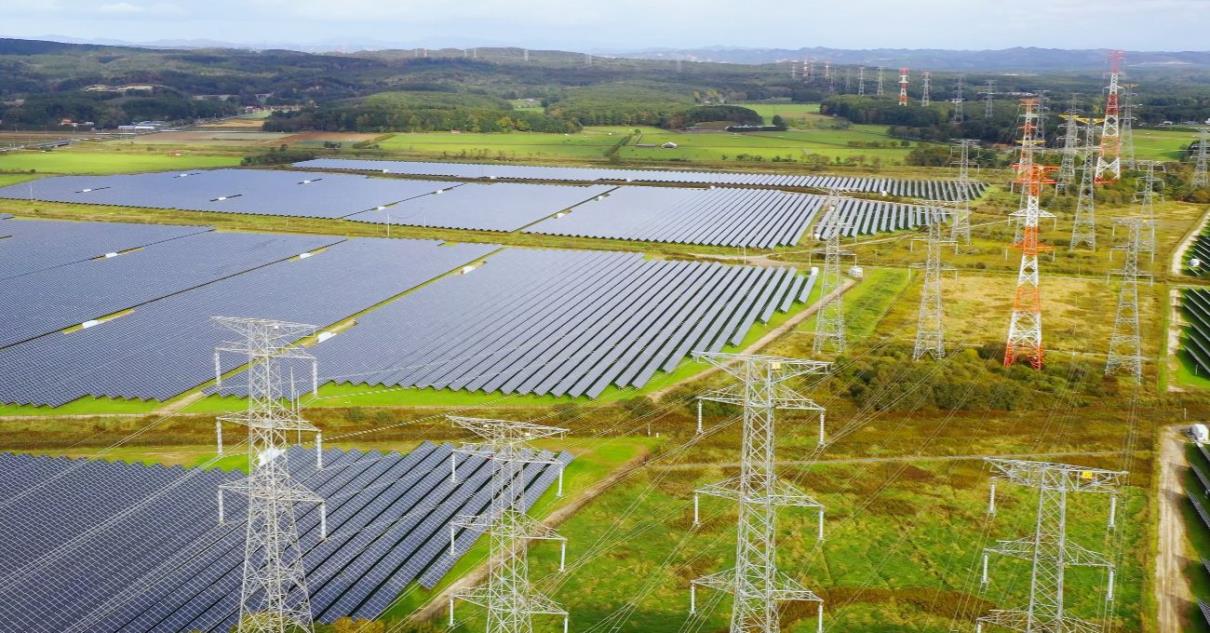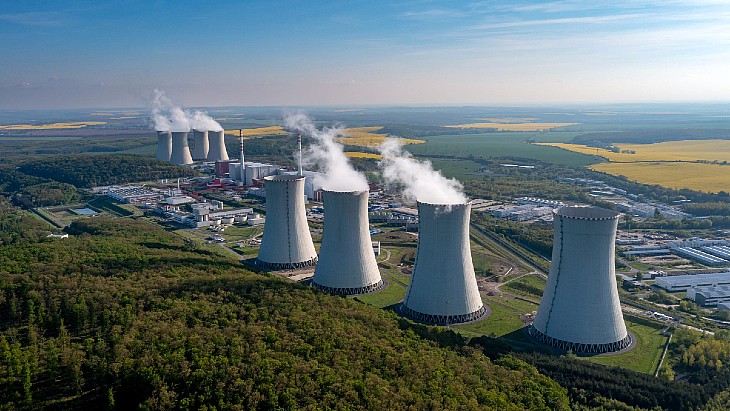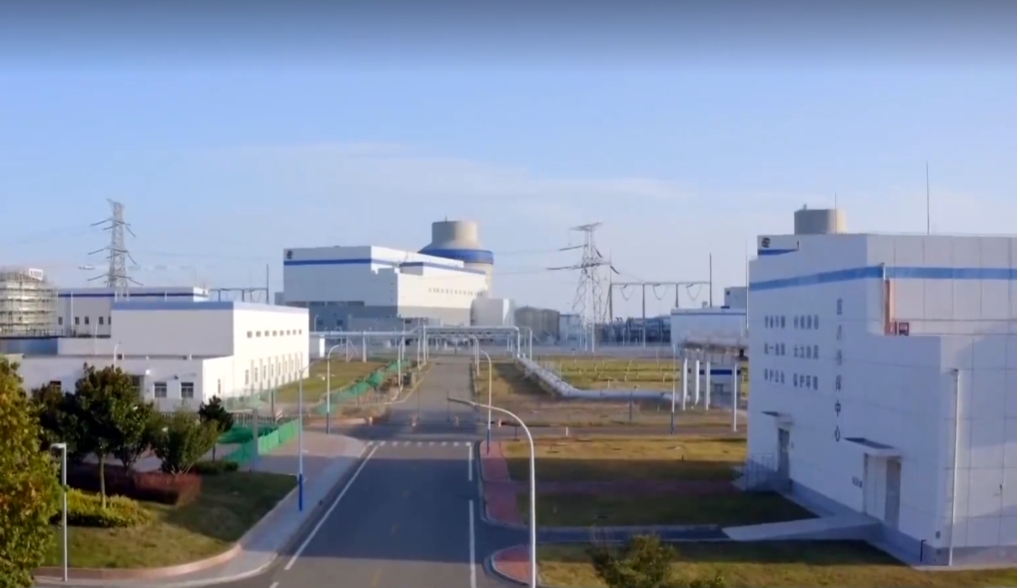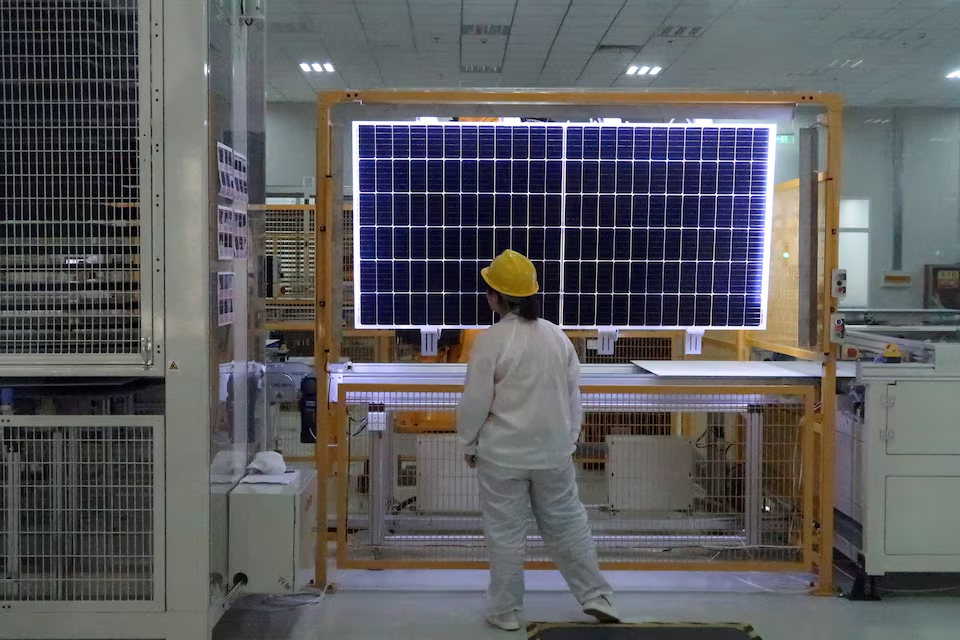
Grid bottlenecks are putting over 120 gigawatts (GW) of planned renewable capacity at risk across 20 EU countries, according to a new report by the UK-based energy think tank Ember.
Ember's analysis comes as Europe faces its second fossil fuel price shock in four years, adding urgency to efforts to expand clean energy sources.
"With power costs spiking, Europe's grids are a crucial enabler in the race to install renewables to replace imported fossil fuels and protect households against volatile prices," said Elisabeth Cremona, energy analyst at Ember, in a statement.
"Grid bottlenecks are no longer simply a technical issue. They are a security risk," Cremona added.
About half of grid operators lack enough capacity to connect planned wind and solar projects, with the tightest constraints in Austria, Bulgaria, Latvia, the Netherlands, Poland, Portugal, Romania and Slovakia, the report said.
The problem is likely wider, as major systems such as Germany and Italy do not publish grid capacity data.
The bottlenecks are hitting both large-scale renewable projects and households. Across 17 countries that report transmission data, roughly two-thirds of planned wind and utility-scale solar projects due by 2030 are at risk.
At the same time, limited distribution grid capacity could delay or prevent 16 GW of rooftop solar, affecting more than 1.5 million households in six of the 13 countries that provide such data.
Grid constraints are also shaping where companies invest. As demand from industry and data centers grows, developers are expected to favor countries where grid access is still available.
Among the seven countries publishing industrial grid data, Austria, Bulgaria and Romania currently have no spare capacity for new industrial demand. Czechia, by contrast, has significant headroom, while Belgium and Latvia can still accommodate additional load.
The analysis finds that some of Europe's grids are positioned well to accommodate new electricity demand from household electrification. Some countries are better positioned than others.
Six of eight reporting countries have enough grid capacity for up to one-third of households to install heat pumps, though Poland and Spain face major constraints.
The report said quick fixes could help ease pressure. So-called non-wire solutions, such as demand flexibility and smarter grid management, could unlock up to 185 GW of new capacity without the need for major network expansion.