France announced tenders for seven offshore wind projects totalling 10 gigawatts on Thursday as well as smaller solar and onshore wind tenders, adding the country will favour homegrown technologies in its bid to achieve energy sovereignty.
According to Reuters, the tenders are two years late due to political gridlock over financing renewables as France struggles with high debt.
Finance Minister Roland Lescure said the projects would help further wean France off imported oil and gas.
The Iran war is continuing to disrupt cargoes sailing through the Strait of Hormuz, leading to higher energy prices which are expected to worsen in Europe this month.
"Thanks to the energy policies France has adopted over the past 50 years, notably developing our nuclear fleet, we entered the current crisis better prepared and less exposed than Japan," Lescure told journalists. "The idea now is to continue on this path and accelerate."
French citizens are already paying electricity prices "30% to 35% lower than our Italian neighbors," he added.
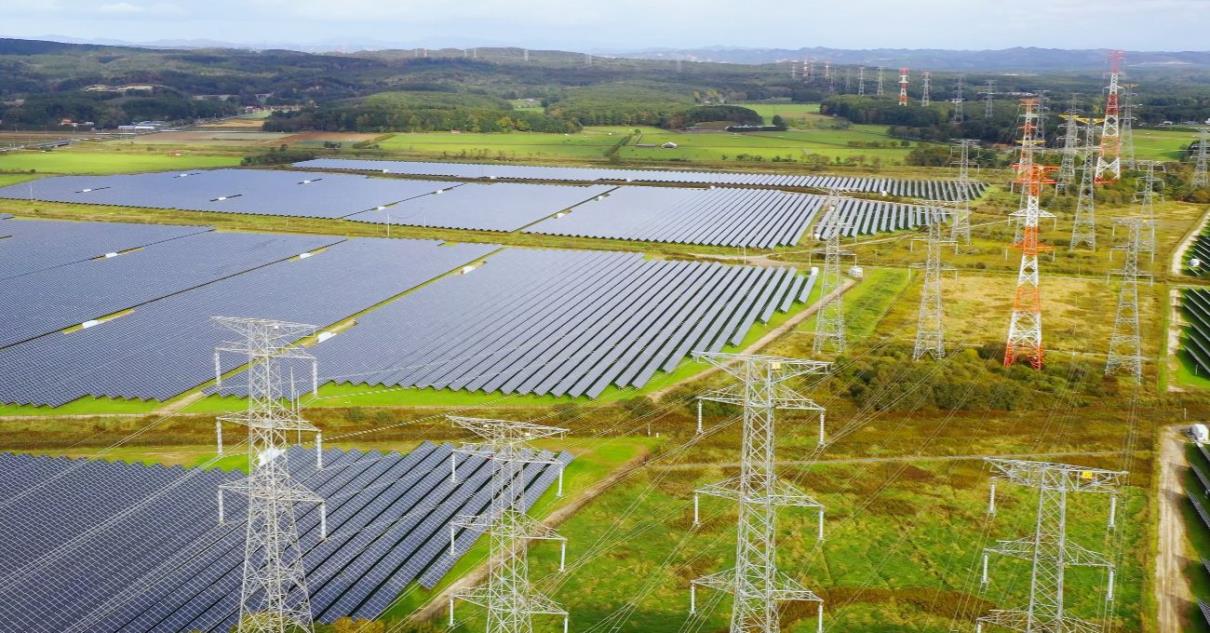
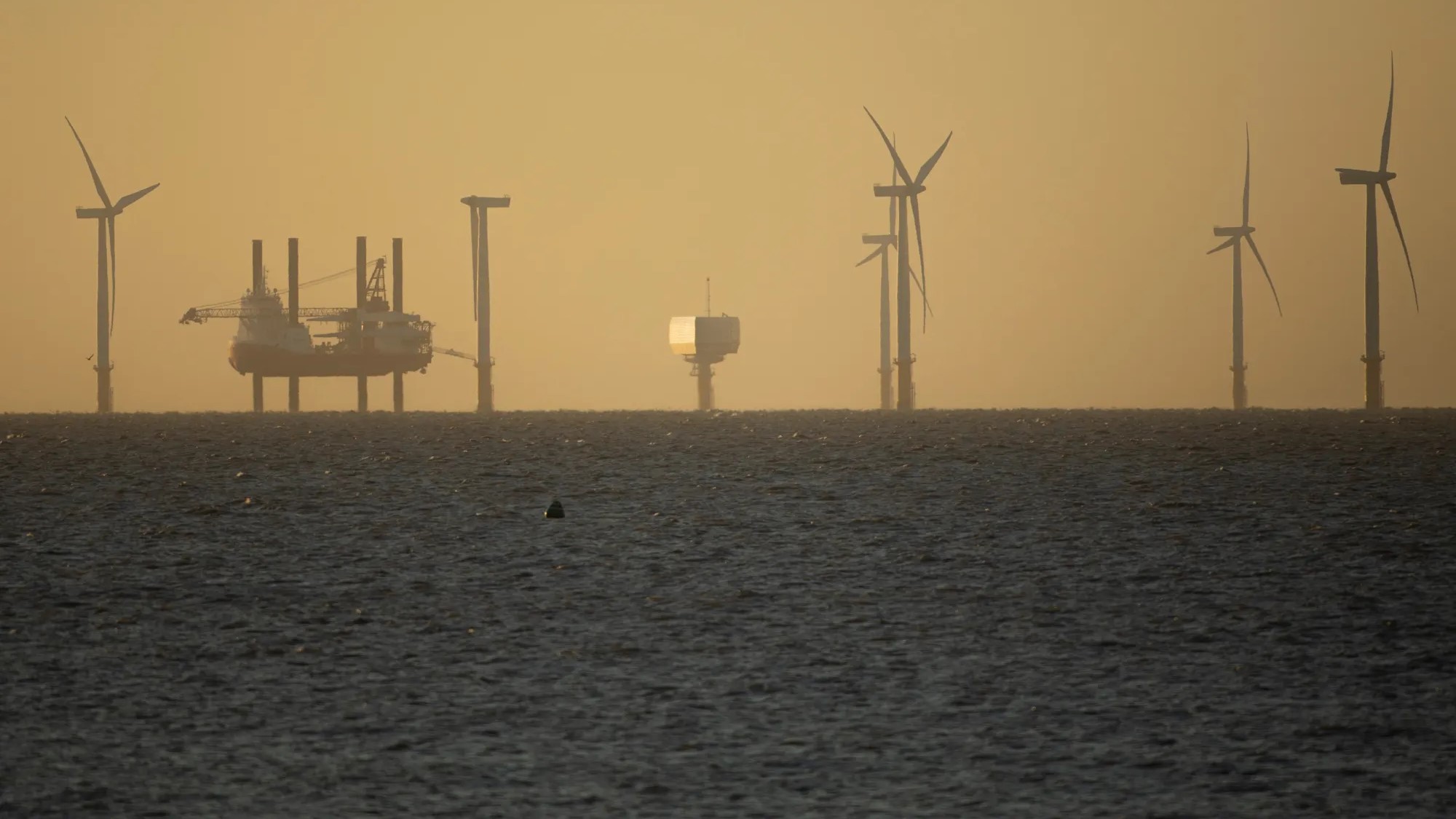
France's 10-year energy planning law, passed in February, calls for 15 GW of offshore wind to be installed by 2035, up from less than 2 GW currently. Thursday's tenders also included calls for 1.2 GW of solar and 0.8 GW of onshore wind.
"We want these bids to be done as much as possible with our technologies, our factories, our employees," Lescure said.
Ahead of a 'Made in Europe' principle France will integrate into bids from 2030 following the EU's Industrial Accelerator Act, France has introduced a resilience criterion which will give priority to bids using more European-sourced components in a bid to limit reliance on China.
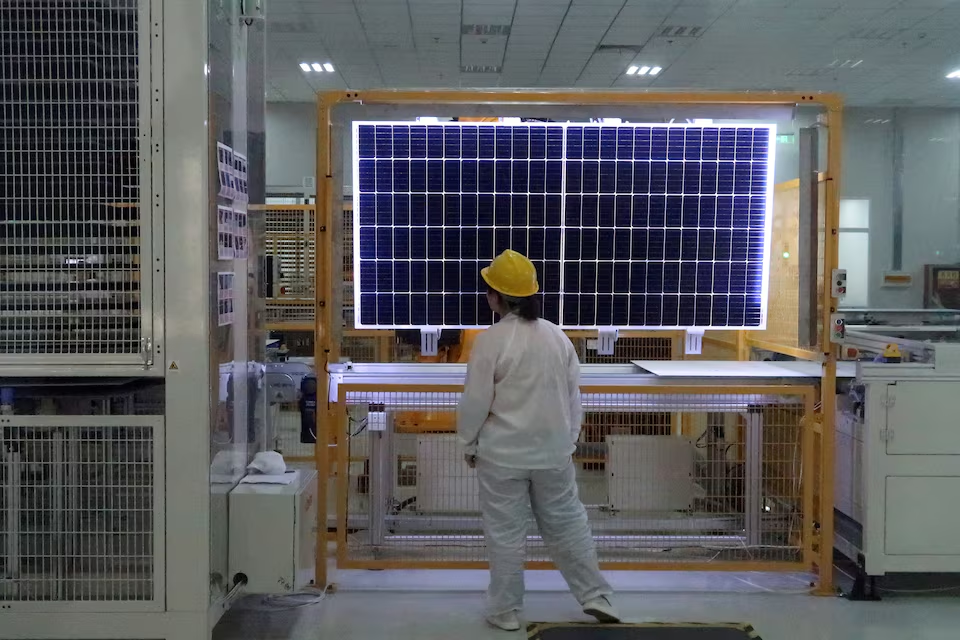
For solar bids, the requirement will cover photovoltaic cells and modules, junior energy minister Maud Bregeon said.
On offshore wind, a maximum of four out of nine strategic components can come from China. The share of Chinese permanent magnets in offshore wind turbines will also be limited to 50%, she added.
Future bids will also include sustainability and cybersecurity criteria.
"This is a long-term strategy to secure our industrial supply chains," Lescure said.
"I'm thinking of Holosolis in Moselle for photovoltaic cells, Nexans in Ain for electricity distribution cables, Carester which handles rare earths in the Atlantic Pyrenees, Siemens-Gamesa in Seine-Maritime and GE Vernova in Saint-Nazaire for wind turbines."