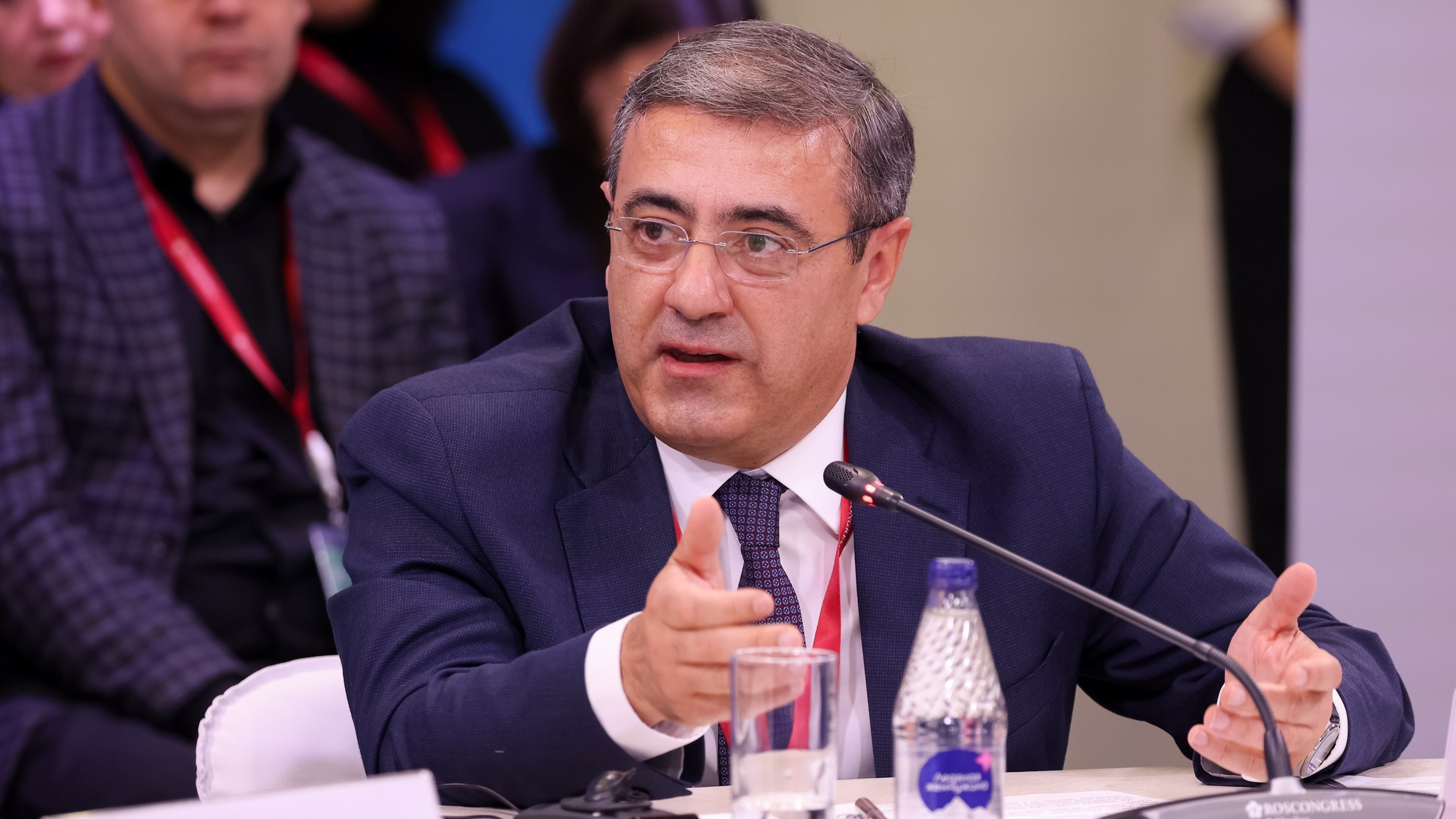
Deputies of the Mazhilis of Kazakhstan ratified the Strategic Partnership Agreement on green energy production and transmission between Kazakhstan, Azerbaijan, and Uzbekistan.
According to the UzDaily, the document has been forwarded to the Senate for consideration.
Erlan Akkenzhenov, Kazakhstan’s Minister of Energy, noted that the agreement was signed on 13 November 2024, in Baku during COP29. It aims to optimize renewable energy potential, expand clean electricity trade—including green ammonia and hydrogen—and increase exports to European markets.
A key component of the project is the installation of a high-voltage direct current (HVDC) subsea cable along the Caspian Sea floor. This will enable the transmission of green electricity from Kazakhstan and Uzbekistan to Azerbaijan and onward to Europe via the Black Sea energy project.
The technical and economic feasibility study is being developed by the Italian consulting firm CESI. The study costs approximately €1 million and is funded by grants from the Asian Development Bank and the Asian Infrastructure Investment Bank. International financial institutions have pledged support, providing initial grant funding of US$2 million.
On 1 July 2025, system operators from the three countries established the Green Corridor Alliance joint venture to coordinate project implementation and hold regular expert meetings, with each country holding a 33.3% stake.
According to Kazakhstan’s Ministry of Energy, the project will enhance the country’s energy export potential, strengthen its position as a reliable partner in sustainable energy, and establish Kazakhstan as a key energy hub in Eurasia. The initiative is already in an active implementation phase and is considered one of the most ambitious energy projects in the country’s modern history.
Azerbaijani Deputy Foreign Minister Elnur Mammadov has called Kazakhstan's ratification of the Green Energy Corridor agreement with Azerbaijan and Uzbekistan an important step in developing energy cooperation in the Caspian region.
"Energy cooperation across our region is taking a tangible step forward. Kazakhstan's ratification of the Green Energy Corridor agreement with Azerbaijan and Uzbekistan advances plans to transmit renewable electricity across the Caspian Sea. The agreement was signed on November 13, 2024, in Baku by the heads of the three states on the sidelines of the COP29 conference. It aims to harness the potential of renewable energy sources, promote trade in clean electricity, and export green energy, ammonia, and hydrogen to European markets. The key component of the initiative will be a high-voltage direct current submarine cable across the Caspian Sea, enabling the transfer of green electricity from Kazakhstan and Uzbekistan to Azerbaijan, and then onward to Europe through the Black Sea energy project. For Azerbaijan, this initiative strengthens our role as the bridge between Central Asia and European energy markets, while supporting the broader transition to clean energy," he wrote on X.