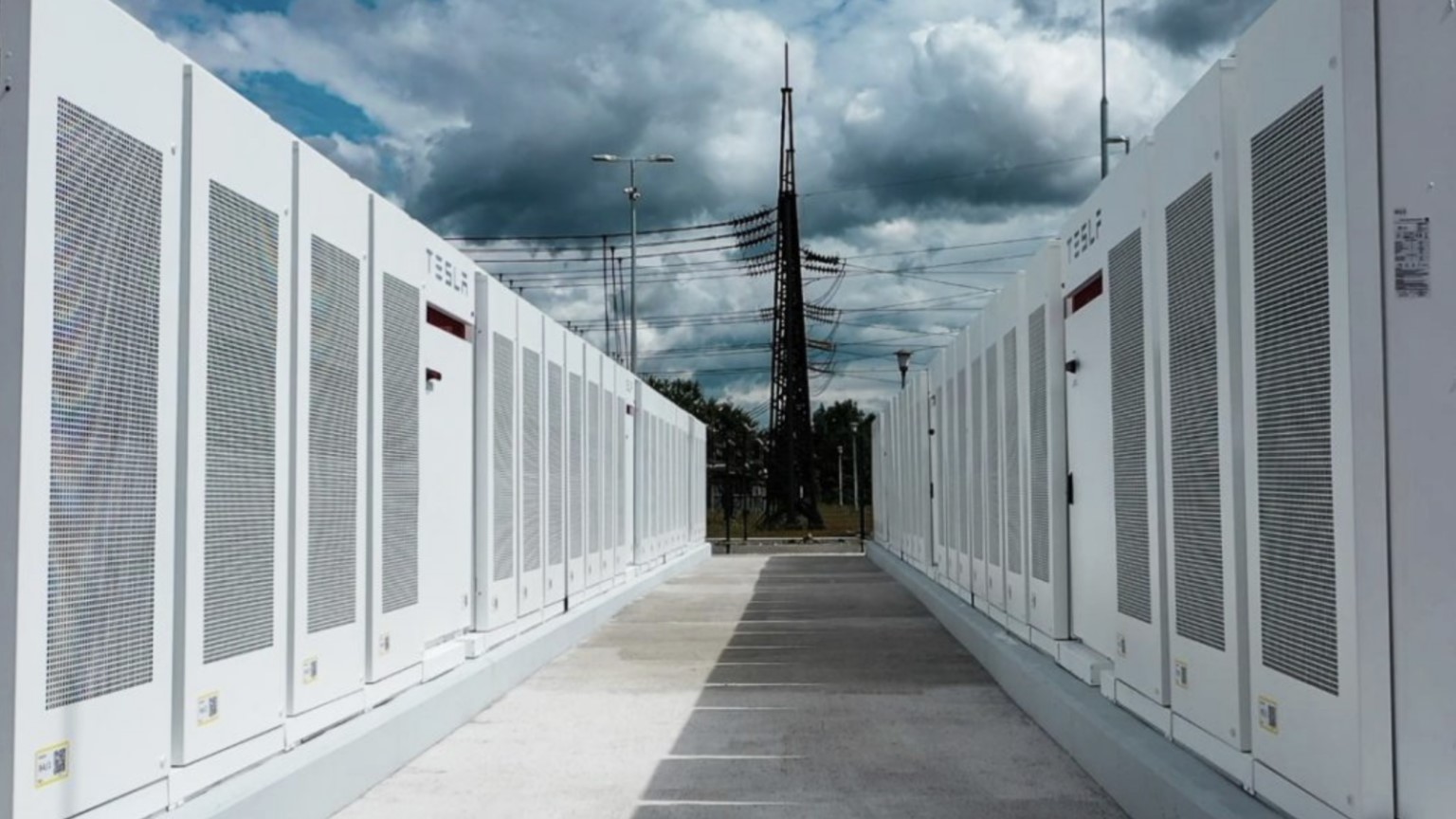
Poland’s National Fund for Environmental Protection and Water Management (NFOŚiGW) has short-listed 183 energy storage projects for grants and loans, with a total value of PLN 4.15 billion ($1.14 billion) allocated from the European Union’s Modernization Fund.
With this, the funding under the program titled “Electricity Storage Facilities and Related Infrastructure to Improve the Stability of the Polish Power Grid,” launched in April, has now been fully exhausted, the government fund announced on its website.
A total of 480 projects received positive evaluations, of which the 183 highest-ranking projects are eligible for funding. The full ranking list is available here: Electricity storage facilities and related infrastructure to improve the stability of the Polish power grid
The call for proposals attracted significant interest, reflecting strong market demand for support in the development of energy storage from businesses (excluding entities in the financial sector). The total value of projects submitted exceeded PLN 70 billion, while the requested funding for energy storage facilities with a combined power output of more than 20 GW and an energy capacity of 122 GWh was nearly PLN 28 billion – almost seven times the program’s available budget.
Planned investments include systems with a minimum power of 2 MW and a minimum capacity of 4 MWh. The mandatory scope of investment includes the installation of battery containers, inverters, transformers, battery module assembly, support systems, and the execution of tests and acceptance of storage facilities. Additionally, subsidies may optionally cover the construction of network connections, related infrastructure, and the configuration and adaptation of warehouses.
Of the total funds, PLN 3,735,000,000 is allocated for grants and PLN 415,000,000 for loans. Grants may cover up to 45% of the total investment cost, increasing to 55% for medium-sized companies and 65% for small companies. Loans may cover up to 100% of eligible costs.
Investment aid granted under the program may be combined with capacity market aid, as explicitly stated in the program’s priorities. Under current regulations, any investment aid granted for the same capacity market unit reduces the corresponding capacity market remuneration, regardless of the contract conclusion date or tender outcome.
The principle of reducing capacity market remuneration by the value of received investment aid has been in place since the inception of the capacity market and stems directly from Article 62 of the Capacity Market Act. Its purpose is to prevent excessive public aid, in compliance with national and EU regulations.
The next step involves the approval of funding terms by the selected applicants, paving the way for the disbursement of funds by the NFOŚiGW Management Board. The final decision on funding approval will be made by the NFOŚiGW Supervisory Board. Agreements with beneficiaries are expected to be signed by the end of 2025.
In its announcement, NFOŚiGW emphasized that inclusion on the ranking list does not constitute an obligation on the part of the Fund to provide funding.