RWE has scrapped its 99.9 MW Butterfly solar‑plus‑storage project in Wales after determining that grid connection availability made it unviable, in a move that comes amid sharply rising connection demand and mounting pressure on the United Kingdom’s queue reform process.
RWE Renewables has withdrawn its proposed 99.9 MW Butterfly (Glöyn Byw) solar‑plus‑storage project in Wrexham, Wales, after concluding that grid connection availability made the scheme unviable at this stage.
“After careful consideration and a detailed review of grid connection availability and overall project viability, we have decided not to proceed with plans for the proposed Butterfly/Glöyn Byw solar farm at this time,” the company said in an emailed statement.
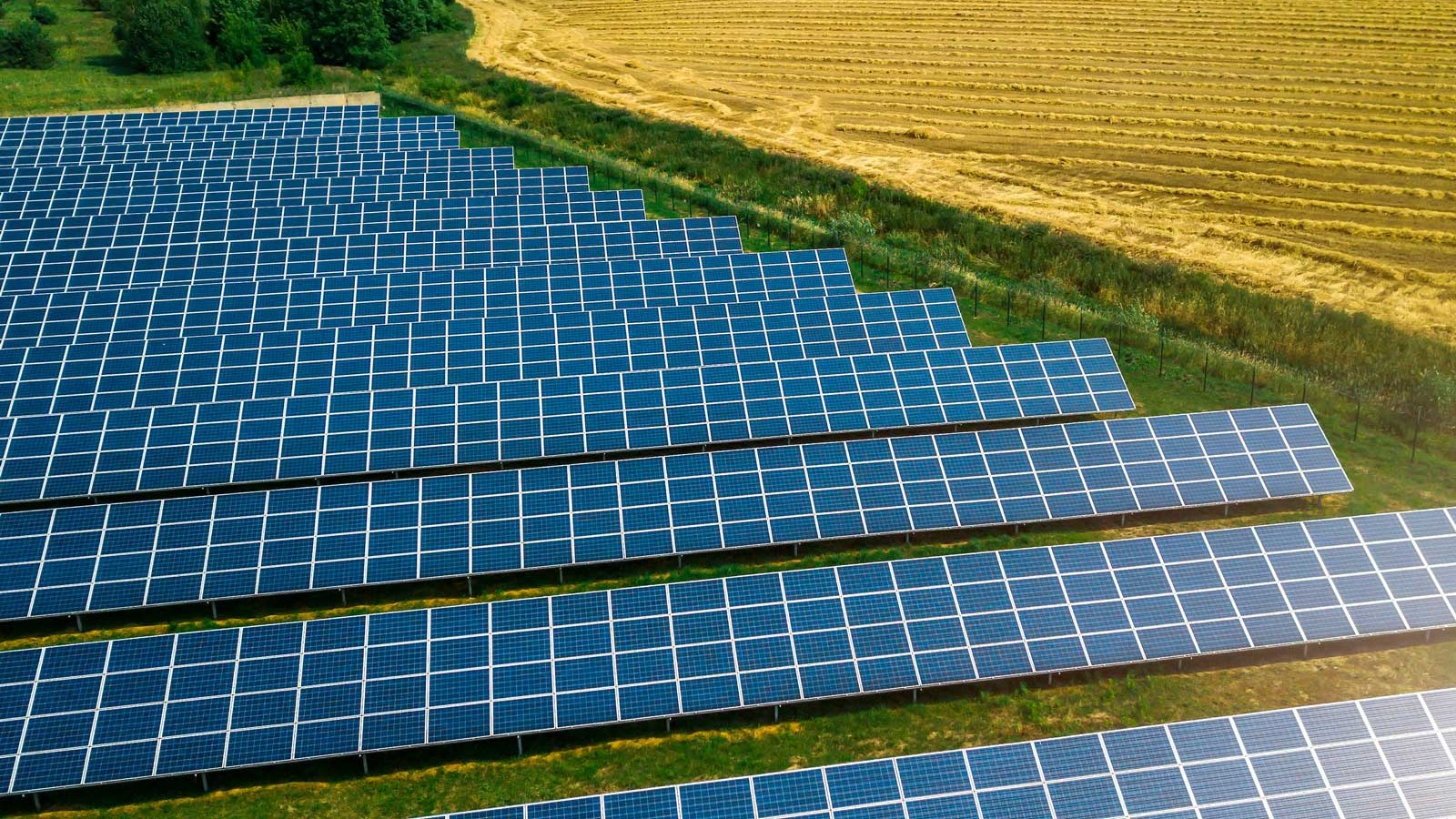
The project was planned across three parcels of agricultural land south of Wrexham, with underground cabling to the Legacy National Grid substation. RWE had identified grid access as a key design challenge from the outset, with two alternative connection routes still under assessment as recently as September 2025.
RWE said it has reviewed the outcomes of the National Energy System Operator’s Connections Reform across its UK portfolio. While some projects have received near‑dated connection offers, others face grid access timelines extending into the early‑to‑mid 2030s.
“Decisions on individual projects are taken following a careful assessment of multiple factors, grid connection position, and overall viability,” Kelly Nye, RWE’s UK spokesperson, told pv magazine. “In this case, we have chosen not to progress further and instead focus resources on projects that can be delivered efficiently and contribute to both local and national energy needs.”
RWE’s withdrawal comes as Great Britain’s grid connection queue remains severely congested, with NESO and Ofgem pushing reforms after a 460% surge in applications between January and June 2025 and delays stretching to as much as 15 years. The cancellation underscores that grid constraints are no longer only a transmission‑level bottleneck; they are now shaping early‑stage project design and viability decisions for solar‑plus‑storage developers across the UK.
The company stressed that solar and co‑located storage remain central to its UK strategy. “Large‑scale solar farms have an important role to play in supporting the UK to achieve its clean‑energy targets,” Nye said, noting that timely, secure grid connections are critical for progressing projects through planning and into construction.
The Wrexham decision lands amid wider concerns about the pace of grid investment. A new report by the EU Agency for the Cooperation of Energy Regulators (ACER) found that almost two‑thirds of EU distribution system operators are exempt from preparing network development plans, and that fragmented planning obligations continue to undermine the efficiency of rising grid investment in Europe.
RWE expanded its global PV portfolio to 7.01 GW in 2025 in 2025 and plans €35 billion in investments by 2030, including 6 GW of new flexible capacity and storage in Germany. The company’s latest results reinforce that the Wrexham cancellation reflects grid constraints rather than any strategic shift away from solar or co‑located storage.