The AnewZ Opinion section provides a platform for independent voices to share expert perspectives on global and regional issues. The views expressed are solely those of the authors and do not represent the official position of AnewZ
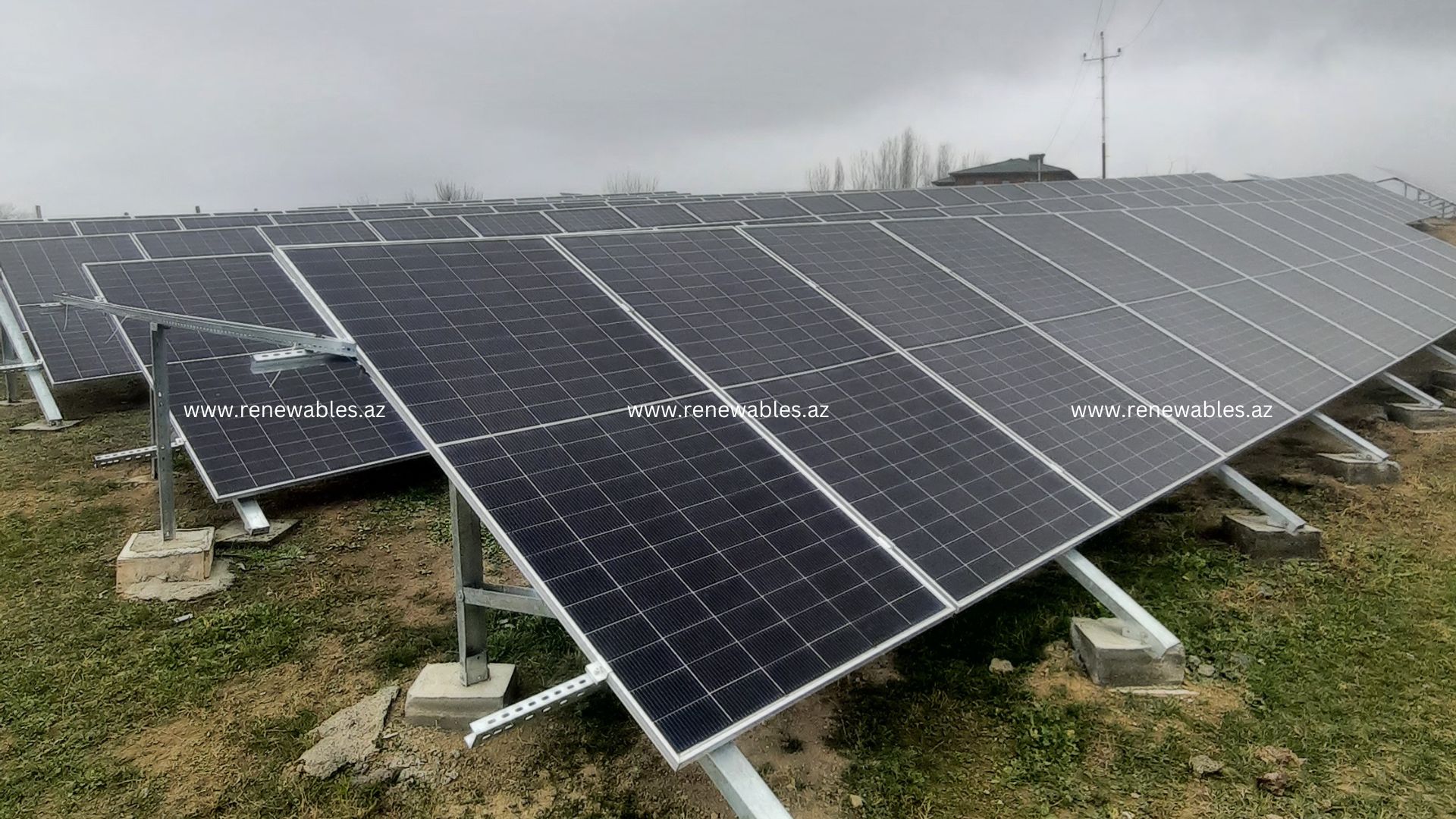
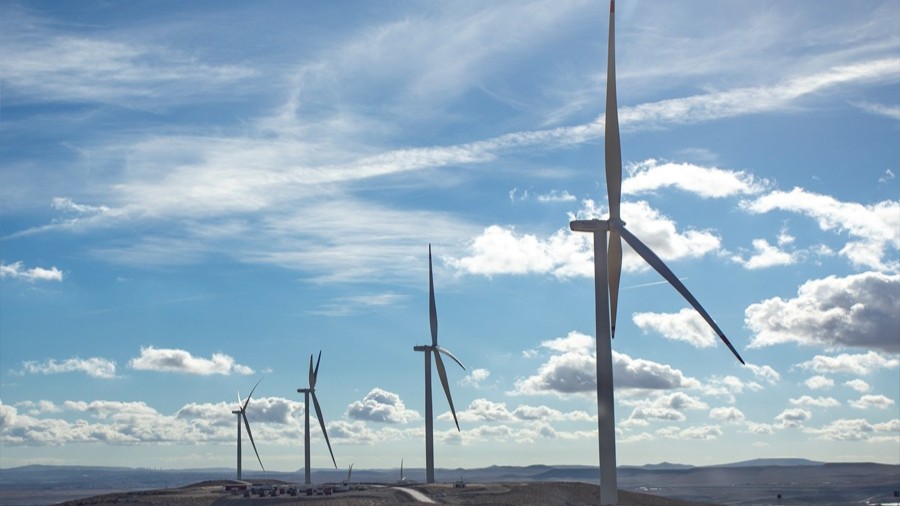
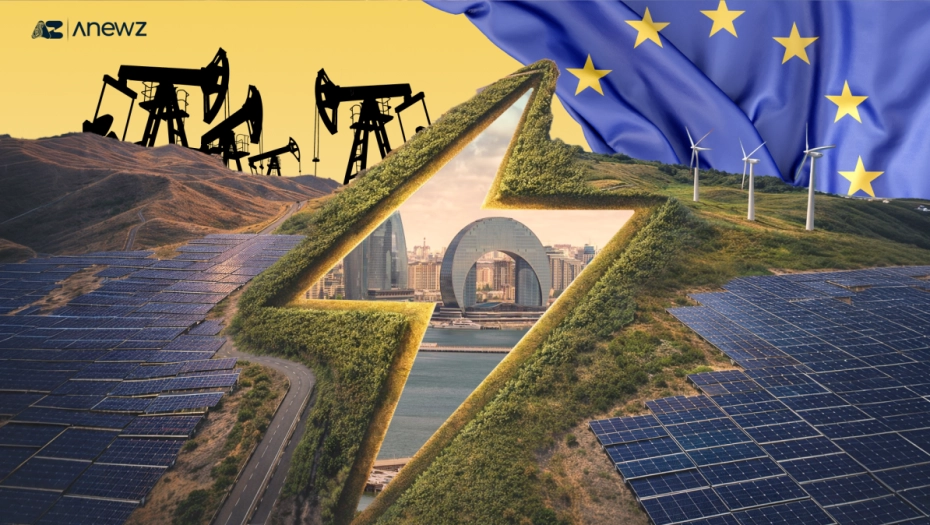
Some changes are immediately visible: new turbines on the steppe, solar panels on rooftops, and figures in reports. Other changes mature in silence - but transform everything. Azerbaijan, for decades associated with black gold, is now writing a new chapter.
COP29 in Baku was not merely an event; it became a catalyst. The country announced its goal of increasing the share of renewable energy sources (RES) to 30% by 2030 and achieving carbon neutrality by 2050.
Yet the question is not simply how many megawatts will be produced. The question is what lies behind this transition: economics, geopolitics, or a strategy for long-term resilience.
Green energy is not a trend. It is the language in which the future speaks. And when a country speaks this language confidently, it signals that it is thinking not in years, but in generations.
From oil to wind: Concrete steps
Azerbaijan is not starting from zero. A flagship project is a partnership with Masdar (UAE), with investments reaching $1.3 billion. The Absheron wind farm and the Garadagh solar power station are already operational. More recently, an agreement was signed with ACWA Power (Saudi Arabia) for 2 GW of solar and wind capacity in Zangezur and Goradiz.These are not merely figures. For a region with average wind speeds of 7–9 m/s, such projects offer strong return potential, particularly under export conditions. The country is integrating into the “Green Corridor” - a subsea cable project running through Georgia and the Black Sea to the EU. This will enable the export of up to 4 GW of electricity annually, contributing to Europe’s diversification away from Russian energy.
According to expert estimates, this could generate around $3 billion in revenue by 2030.
Economics: Business, not charity
Green energy is ultimately a calculation. Oil accounts for about 40% of Azerbaijan’s GDP, but prices are volatile. Renewable energy, by contrast, offers greater stability. The levelised cost of energy (LCOE) for solar power in Azerbaijan is estimated at 3–4 cents per kWh, cheaper than gas at 5–6 cents.
With planned investments of $5 billion by 2030, the sector is expected to create around 20,000 jobs and reduce fuel imports by 20%.
For comparison, Georgia relies heavily on hydroelectric power (around 25% of its energy mix), Türkiye is actively expanding its renewable sector with a target of 50% by 2030, and Kazakhstan plans to increase renewables from 3% to 15%.
Azerbaijan currently leads in investment growth rates relative to its existing energy balance. Another important element is green hydrogen. A pilot project with Germany for 100 MW by 2026 could become a significant export opportunity, given Europe’s growing demand.
Energy security as sovereignty
When a country depends on a single resource, it becomes vulnerable. Prices fall, markets shift, and partners demand concessions. Green energy offers something oil cannot: diversification and greater independence.
Wind does not run out. The sun does not require negotiations.
Here, Azerbaijan is making a strategic move. The country is positioning itself not merely as a resource supplier, but as a regional energy hub. A hub is more than a pipeline. It represents trust, expertise, and long-term contracts.
More importantly, this transition is not only about construction but also about technology transfer and the creation of local jobs. When young professionals learn from those who built the oil industry and apply that knowledge in a new sector, continuity is created.
Geopolitics and risks: An honest assessment
Challenges remain and cannot be ignored.
Several key issues need to be addressed:
- Technological dependence: Turbines and solar panels are often imported. Domestic production requires further development.
- Investment risks: Many projects rely on foreign partners. The long-term sustainability of these partnerships must be ensured.
- Bureaucracy: Transparency concerns remain relevant for attracting long-term capital. Without further economic diversification beyond oil, the country risks exposure to market volatility.
A stronger domestic market is also necessary. Expanding subsidies for households and encouraging solar panel installation in the private sector would help accelerate the transition.
Prospects and conclusion
By 2050, Azerbaijan could become the energy hub of the South Caucasus, exporting electricity to Armenia (following normalisation), Georgia, and Central Asia.
Several steps will be crucial: accelerating research into energy storage technologies, including batteries; introducing tax incentives for local firms; and considering the creation of a “Green Alliance” with Turkic states to establish an energy corridor to China via the Caspian.Green energy is not only about megawatts. It is about choice: whether to build quickly or build for generations; whether to invest in figures or in trust; whether to follow a trend or create a system.
Azerbaijan appears to have chosen the latter. And that choice commands respect.
When a country looks beyond immediate profit and plans for the future, it demonstrates strategic maturity. Such progress is not measured solely in reports. It is measured in time.
COP29 showed that Azerbaijan is ready. Now the focus turns to implementation.
Real development does not begin with resources. It begins with the decision to change.