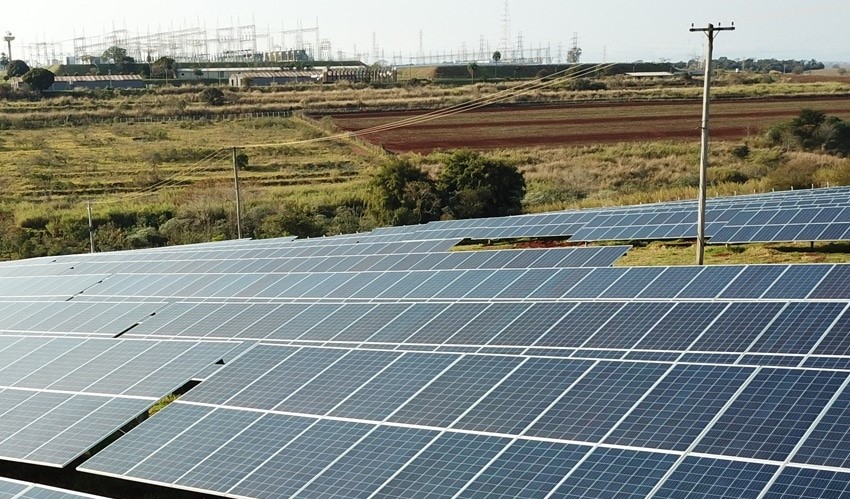
Brazil added 4.4 GW of solar capacity between January and March 2026, with plans to connect 25 utility-scale plants in March, totaling 1,109 MW. Despite this momentum, and with support from the National Electric Energy Agency (Aneel), new centralized connections are expected to slow toward the end of the year.
As of March, the country added 2,295 MW of utility-scale solar, toward a 2026 target of 4,704 MW. In recent years, expansion has been driven mainly by contracts in the free energy market; however, around a quarter of expected additions this year will come from regulated-market contracts, totaling 1,087 MW.
Distributed generation (DG), which in Brazil includes all PV systems not exceeding 5 MW in size, accounted for 2,177 MW added between January and March, across 245,112 new systems, with an average size of 8.8 kW per micro- or mini-generation system.
If the connection rate recorded in the first quarter is maintained through the end of 2026, distributed generation could reach 8.7 GW of additions, while utility-scale solar would total 4.7 GW, bringing overall expansion to 13.4 GW.
This would slightly exceed projections from Brazilian association ABsolar at the beginning of 2026, which estimated around 10 GW of growth for the year. However, Brazil has already recorded strong annual expansion in recent years.
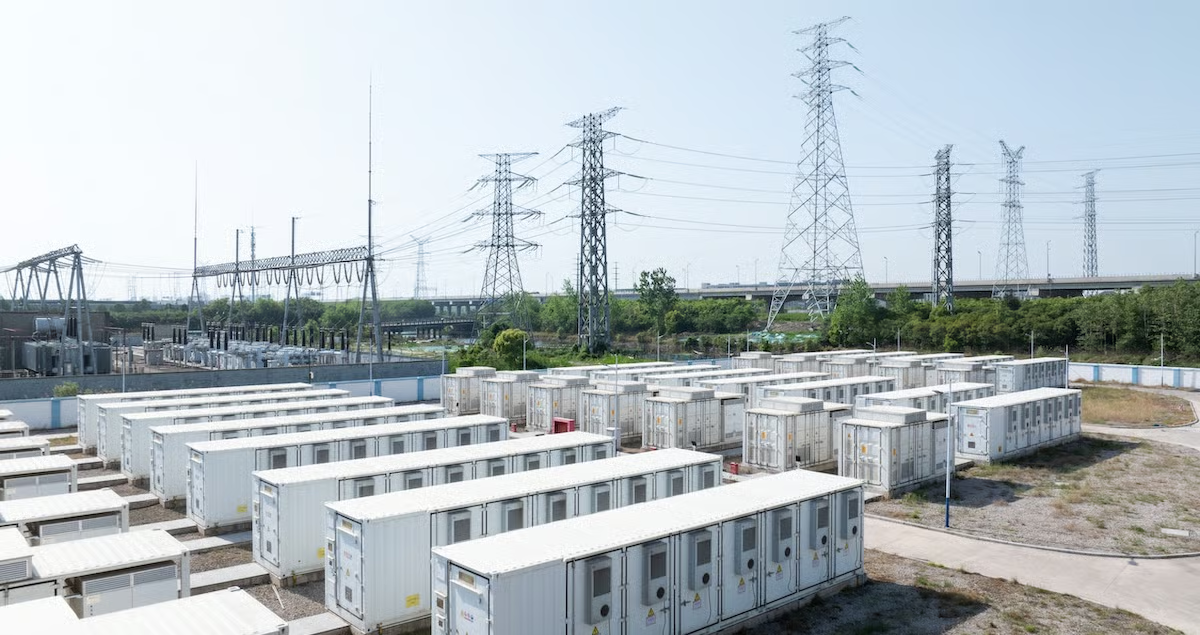
In addition to reaching annual additions of up to 10 GW since 2022, the sector continues to face grid connection constraints in both distributed and utility-scale segments, alongside ongoing regulatory changes. In this context, solutions such as energy efficiency measures, equipment replacement, battery energy storage systems (BESS), and migration to the free energy market are seen as pathways to sustaining sector growth.