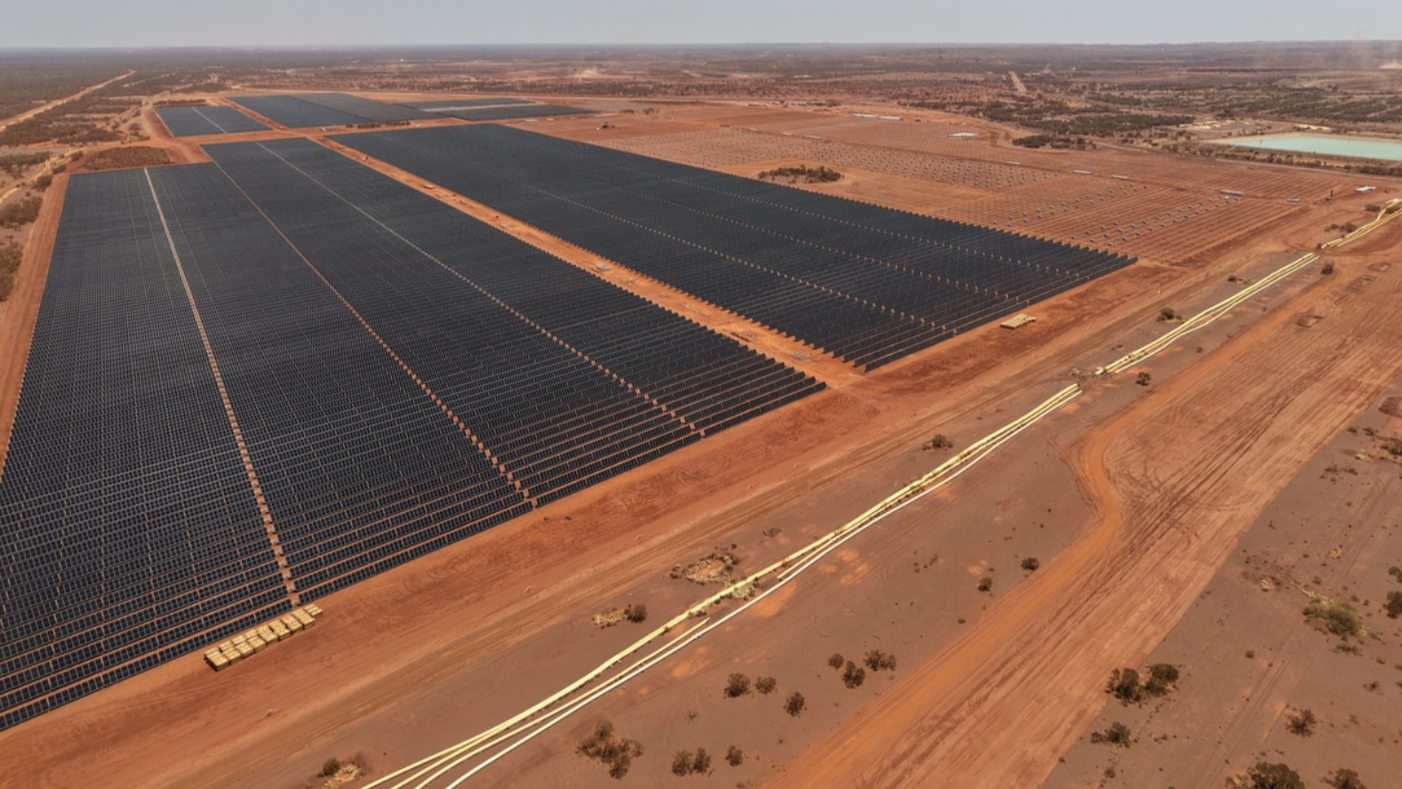
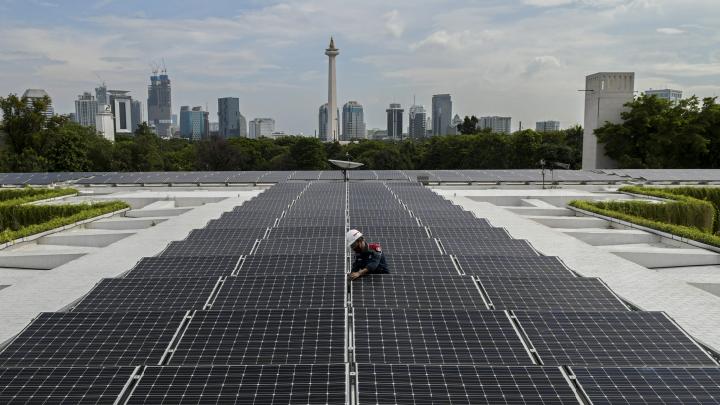
Indonesia’s cumulative solar capacity stood at 1.49 GW by the end of 2025, according to figures from the country’s Ministry of Energy and Mineral Resources (MEMR).
The cumulative figure, announced by MEMR during a conference last month, indicates that 546 MW of solar was deployed across Indonesia last year.
Fabby Tumiwa, Chief Executive Officer of the Institute for Essential Services Reform, told pv magazine that rooftop solar, especially in the C&I market segment, was the main market driver in 2025 as large consumers look to decarbonize their electricity consumption.
“This situation is expected to continue in 2026, since utility-scale solar is hampered by the slow progress of [state-owned electric utility company] PLN’s procurement, and residential rooftop solar lacks incentive due to the abolished net metering scheme,” Tumiwa explained.
During January’s conference, MEMR announced that the share of renewable energy in Indonesia’s energy mix increased to 15.75% in 2025, a 1.1% increase on 2024. Hydro remains the leading renewable energy source in Indonesia, followed by bioenergy and geothermal sources, then solar.
Tumiwa said this trajectory is off target from Indonesia’s renewable energy goals. “Although the renewable energy mix target was revised down from 23% to 17%-19% in the new National Energy Policy, the 15.75% achievement still falls below this revised target,” he explained. “Additionally, the reported growth was largely driven by rooftop solar installed by consumers, while renewable energy projects planned in PLN’s Electricity Supply Business Plan (RUPTL) failed to meet targets.”
PLN’s RUPTL planned for an additional 777 MW of utility-scale solar in 2025 but commissioned plants last year were led by the 50 MW Nusantara and 25 MW East Bali solar projects, which Tumiwa said “indicates a large gap in PLN’s planning and execution.”
The RUPTL has a total 988.4 MW of solar with commercial operation dates in 2026. “This might be an indication of more solar in 2026, although realization heavily depends on PLN’s procurement methods, which have not changed significantly,” Tumiwa said. “This has resulted in 2025’s realization missing the RUPTL target.”
Tumiwa suggested PLN should implement an open-market competitive tender framework with strong compliance rules to support the utility-scale market, while also increasing the regularity of solar market consultations and tenders.
He also said that with rooftop solar remaining the best performing market segment, PLN should make grid modernization a main priority this year to avoid congestion and stability issues.
Indonesia’s rooftop solar quota program, a solar policy which involves the government setting a quota for rooftop solar to be connected to the grid, has opened at 485 MW for January 2026, which Tumiwa said consists of 304 MW already allocated to the waitlist, alongside 183 MW for new customers.
“As the rooftop solar market in Indonesia matures, we expect higher demand from large consumers,” he said. “MEMR is currently asking for an additional 400 MW quota.”
The Indonesian government unveiled an initiative aiming to deploy 100 GW of solar, including 80 GW of 1 MW solar minigrids, last August. Tumiwa told pv magazine the priority locations for the program are villages either without electricity access or those using diesel generations but advised the plan currently remains under development.
Last month, a Danish-Indonesian research group said Indonesia must update its grid codes to integrate higher shares of renewable energy.