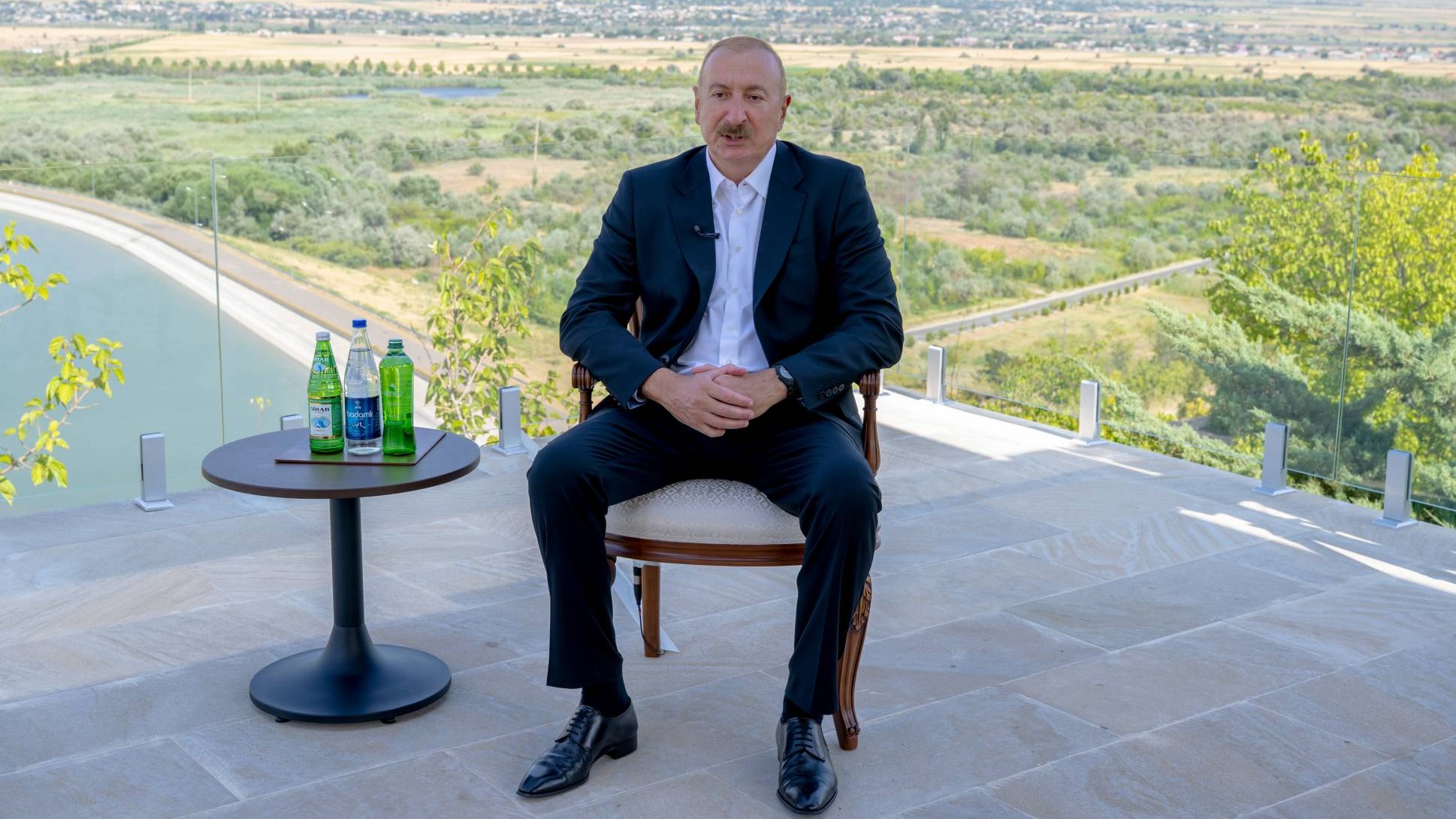
"I believe that Nakhchivan’s solar power generation capacity alone could reach at least 500 megawatts—at the very least. It could even reach 1,000 megawatts," President of Azerbaijan Ilham Aliyev said in an interview with Azerbaijan Television in Nakhchivan, Renewables.az reports, citing the Presidential Press Service.
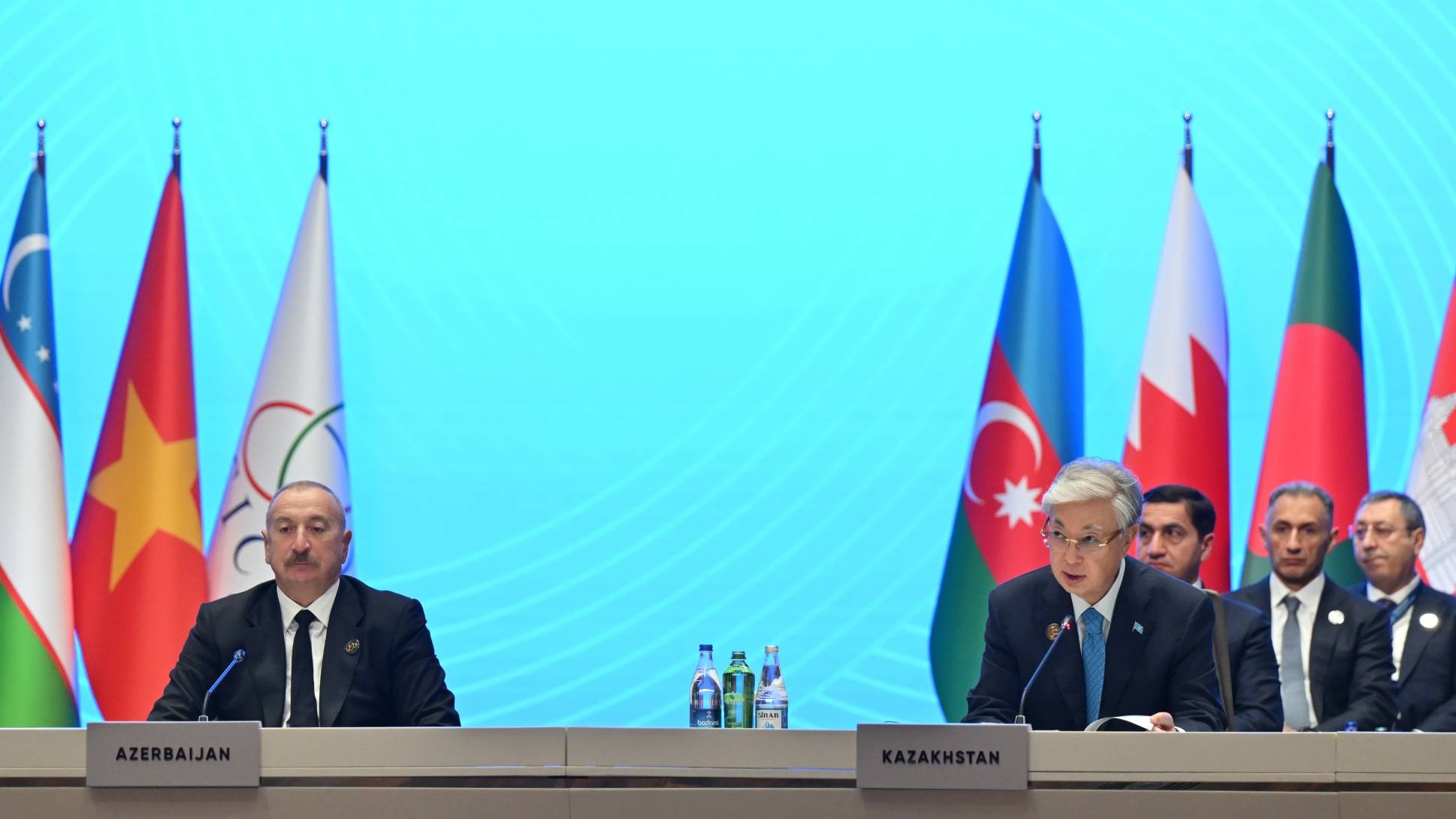
The head of state said: "The main issue here is the export potential. For this, negotiations must, of course, be conducted with the relevant agencies in the respective countries, and they are underway. At the same time, we need to expand the capacity of the transmission lines. Naturally, there are currently power lines connecting Nakhchivan with both Iran and Türkiye, but their capacity is somewhat limited. That is to say, to export 500 megawatts or even 1,000 megawatts of electricity, there are currently two directions for exports: one to Türkiye and one to Iran. In the future, Europe could also become a destination. Therefore, supporting the Zangezur Corridor with concrete projects carries a broader significance. Naturally, when we put forward the idea and initiative for the Zangezur Corridor, first and foremost, we had the transport component in mind. But today, we view it in a broader context. For instance, our project to construct power transmission lines from the main part of Azerbaijan to Nakhchivan through the territory of Armenia is ready. A very large substation was constructed in the liberated Jabrayil district. The main function of that substation is power transmission; in other words, it is what is known as a converter substation. It was not built for domestic supply, but to transmit large volumes of energy. It is ready and was constructed specifically for the Zangezur energy corridor. As a result of the analysis conducted by our specialists in Armenia, the exact locations have even been identified for the installation of power transmission towers. I hope the Armenian side will not delay this matter either. Because, first of all, they themselves may need it. Their primary source of energy today is a nuclear power plant, which is not under their control. That is the first point. Secondly, this plant is outdated and poses a threat to the entire region. Azerbaijan and Türkiye have repeatedly expressed their concerns regarding this issue on various international platforms. The lifespan of that plant cannot be extended indefinitely; it will have to be shut down sooner or later. Naturally, if it is shut down, Armenia will plunge entirely into an energy crisis. Therefore, as they say, having an additional source of energy can only be beneficial... Today, the only existing route is through Georgia and Türkiye, and from there onward to Europe. We must expand these capabilities. In particular, the feasibility study for the Black Sea energy cable project is ready. However, having a second transmission line will only strengthen our capacity. Moreover, as you likely recall, in November 2024, during COP29, the Presidents of Kazakhstan and Uzbekistan and I agreed to lay an underwater electricity cable across the Caspian Sea and signed an agreement. That is to say, we must be prepared for that as well."