Agricultural enterprises in Kazakhstan are increasingly adopting green energy solutions, converting production waste into a stable source of income. Biogas projects are emerging not only as an environmental measure but also as a profitable direction for agribusiness development, the Ministry of Agriculture press service reports.
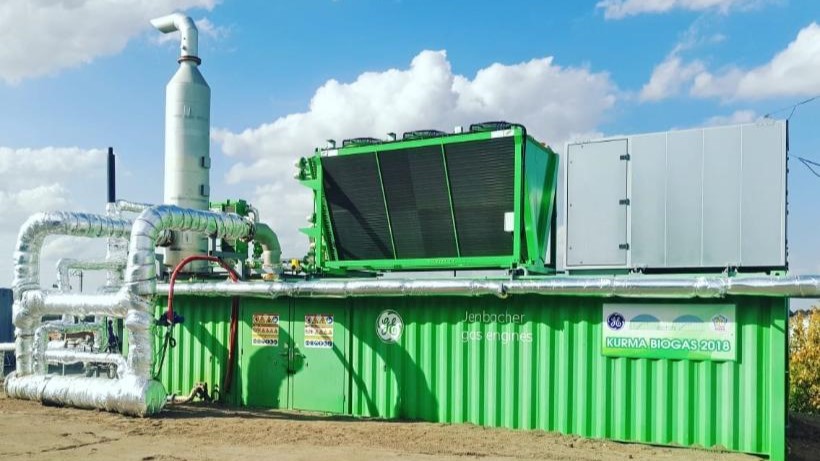
One example is LLP “Agrofirma Kurma,” where in 2018 a waste-to-biogas system was introduced to process poultry farm waste and generate electricity, heat, and organic fertilizers. The investment in the project totaled 573 million tenge.
Today, the biogas facility processes up to 150 tons of chicken manure per day. It produces 22,000–23,000 cubic meters of biogas with a methane content of around 65%. Electricity output reaches 600 kW, while organic fertilizer production amounts to up to 20 tons per day.
The process is based on anaerobic digestion of poultry waste. The resulting biogas is used for power generation, while the digestate is processed into organic fertilizer applied on company-owned fields, reducing reliance on imported inputs and lowering operating costs.
Over its operational period, the facility has generated approximately 15 million kilowatt-hours of electricity. The project provides the enterprise with annual revenue of 100–190 million tenge.
The experience of Agrofirma Kurma shows that efficient waste-to-energy systems can form a viable business model. Biogas production creates additional revenue streams for farmers while supporting the development of environmentally focused agriculture in Kazakhstan.