Scientists from Tomsk Polytechnic University and Karshi State Technical University have developed an approach to integrating hydrogen energy storage systems, increasing the stability of renewable-based power grids by up to 24%.
The approach addresses one of the main challenges of renewable energy—its variability. The proposed solution allows excess electricity to be stored while enhancing overall grid stability.
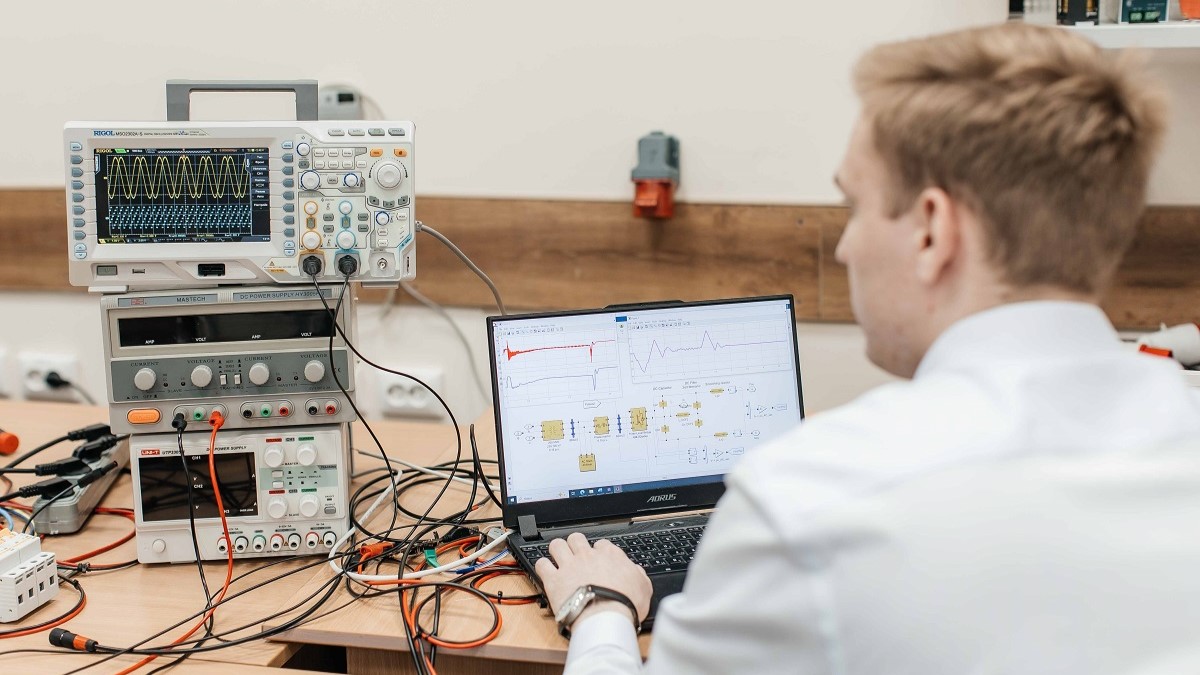
The method is based on a mathematical model of HESS with an advanced control system for power converters. It incorporates a PMAF-PLL synchronization algorithm, which simulations show enables faster grid synchronization, reduces voltage oscillations, and improves performance under fault conditions compared to conventional methods.
According to the study, integrating hydrogen storage systems helps balance loads and maintain stable power supply throughout the day. Depending on grid configuration, small-signal stability can increase by up to 24.8%.
The findings were published in the International Journal of Hydrogen Energy. The research also involved scientists from Karshi State Technical University.
The developers note that the technology is particularly relevant for regions with seasonal demand fluctuations and could support more reliable integration of renewable energy into power systems.