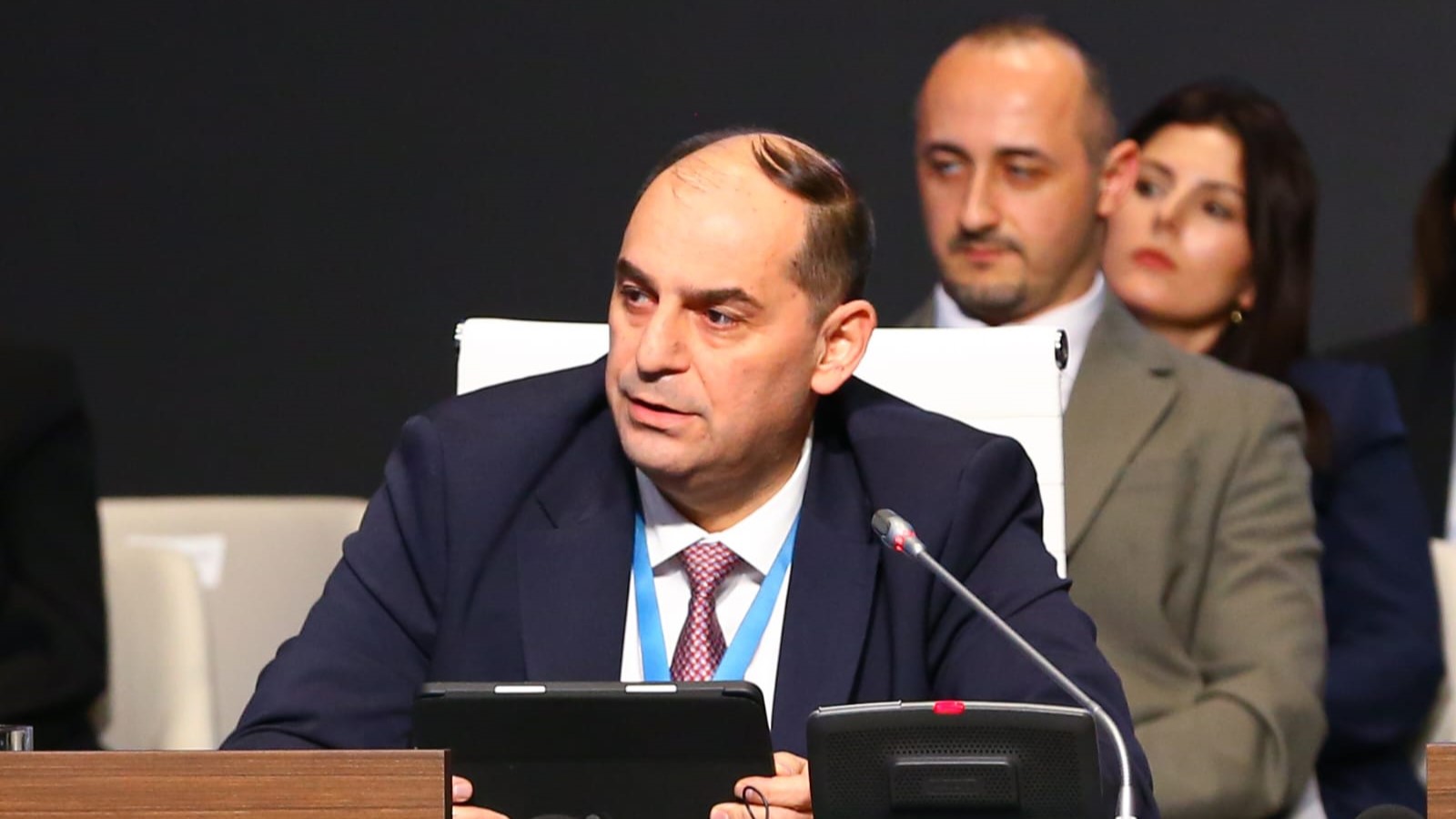
By 2032, the total capacity of renewable energy projects in Azerbaijan is forecasted to reach 8 gigawatts, Javid Abdullayev, Director of the Azerbaijan Renewable Energy Agency (AREA), under the Ministry of Energy, has said, according to Report.
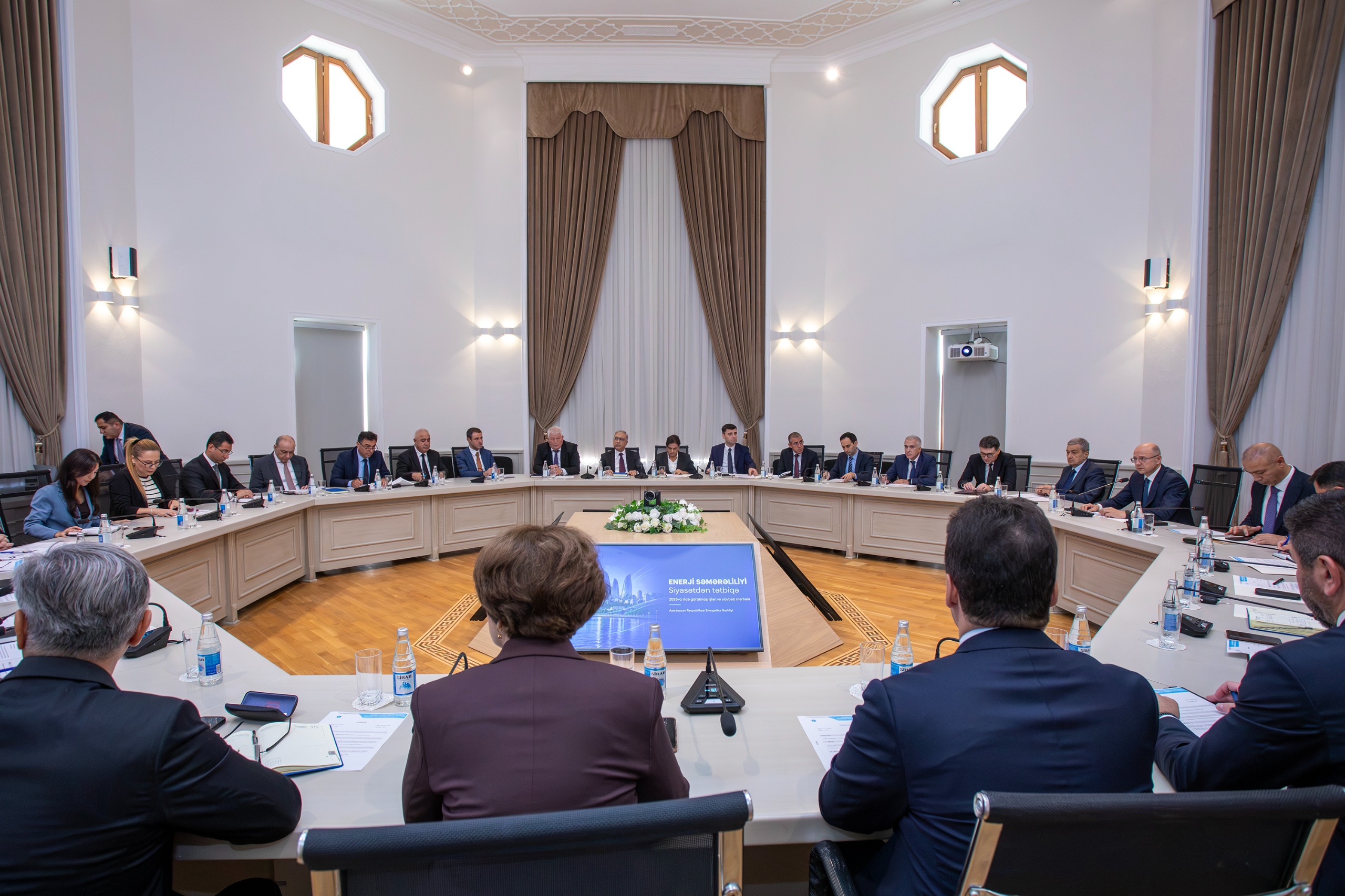
Speaking at a press conference in Baku following the 12th Ministerial Meeting of the Southern Gas Corridor Advisory Council and the 4th Ministerial Meeting of the Green Energy Advisory Council, he emphasized that while oil and gas projects have historically been based on production‑sharing agreements, renewable energy projects are fully regulated by Azerbaijan's national legislation. This, he noted, reflects investors' confidence in the country's legal and regulatory framework.
Abdullayev explained that the total capacity of renewable energy projects is expected to reach 6 gigawatts by 2030 and 8 gigawatts by 2032. This expansion will naturally create an electricity surplus, which can be exported through four interconnectors currently at different stages of development, the director added.
He also pointed out that alongside solar and wind energy, Azerbaijan is also exploring other renewable resources, with particular attention to hydrogen production. "In short, Azerbaijan's renewable energy strategy reflects our unwavering commitment to sustainable development, energy security, and climate responsibility. We are turning our rich national potential into real opportunities for economic growth, environmental stewardship, and regional cooperation," Abdullayev said.
He explained that Azerbaijan's renewable energy potential is being developed through a three‑stage strategic approach: "In Azerbaijan, land allocation issues for 11 planned renewable energy projects have almost been resolved. The first stage, by 2027, includes the construction of solar and wind power plants with a total capacity of up to 2 gigawatts, fully integrated into the national grid. In line with national legislation, the buyer of this electricity will be the transmission system operator. The total projected investment for these projects is about $2 billion."
Abdullayev added that this stage will raise the share of renewables in total installed capacity to 33.7%, with annual production reaching around 5 billion kilowatt‑hours: "This will save more than 1.1 billion cubic meters of natural gas and reduce carbon emissions by 2.4 million tons."
The director also pointed out that land allocation issues for the planned projects have been resolved, contracts have been signed, and measures to strengthen the grid are actively underway, including the implementation of a 250‑megawatt energy storage system with a capacity of 500 megawatt‑hours.